How Much Sunlight Do Portuguese squill Need?
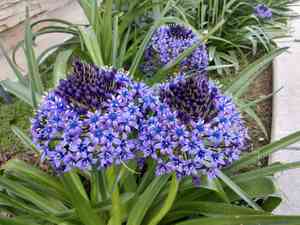
1
Portuguese squill flourishes optimally under direct sunlight but can endure some indirect light.
2
Insufficient light exposure may result in elongated stems and reduced flower production.
3
Ensuring more than six hours of sunlight each day promotes the best development for your Portuguese squill.
Ideal Sunlight Conditions for Portuguese squill
Full Sun Versus Partial Shade
When selecting the best setting for your Portuguese squill, understanding its light requirements is crucial. This species flourishes in full sun, meaning it needs more than six hours of direct sunlight daily. Nevertheless, it can also tolerate partial shade if full sun exposure isn't feasible. Partial shade indicates the plant gets filtered light or shade for part of the day, which can still support its robust development.
Seasonal Changes in Sunlight
As seasons shift, sunlight intensity and duration fluctuate. In summer, Portuguese squill thrives in abundant sunshine, blooming under bright, extended daylight. Conversely, winter months bring shorter days with weaker sunlight, necessitating careful plant placement. You might need to move your plant closer to a window or provide supplemental illumination to ensure it receives adequate light.
Impact of Insufficient Sunlight on Portuguese squill
Indicators of Low Light Stress
When Portuguese squill lacks sufficient sunlight, it displays specific stress signs. These include elongated, leggy stems as it reaches for light sources, poor flowering, and diminished leaf color. A lack of vibrant blue-green foliage can signal your plant isn't getting the daylight it requires.
Solutions for Low Sunlight Exposure
If your Portuguese squill isn't receiving enough light, you can take corrective actions. Moving the plant to a brighter location is the simplest remedy. Choose spots like south or west-facing windows where natural light is more plentiful. If natural light isn't an option, consider using grow lights to enhance the light exposure your plant receives.
Protecting Portuguese squill from Excessive Sunlight
Recognizing Sunburnt Leaves
While Portuguese squill loves sunlight, excessive direct exposure, particularly during peak midday hours, can cause sunburn. Signs of sunburn include brown, crispy leaf edges and bleached leaf surfaces. These symptoms indicate your plant is suffering from too much sun and requires protection.
Providing Shade and Protection
To safeguard your Portuguese squill from too much sunlight, create shade using garden umbrellas, shade cloths, or by positioning it beneath taller plants. On hot summer days, relocating the plant to a spot with dappled sunlight can prevent sunburn while still providing adequate illumination. Indoors, you can shield the plant by using sheer curtains to filter the light.
Balancing Indoor and Outdoor Sunlight for Portuguese squill
Indoor Sunlight Needs
If you are cultivating Portuguese squill indoors, ensuring it receives ample sunlight is crucial. Placing it near a sunny window, ideally south-facing, will help it get the necessary six or more hours of direct light. If natural light is limited, consider using full-spectrum grow lights to emulate the sun's rays.
Transitioning Between Indoors and Outdoors
Moving your Portuguese squill between indoor and outdoor environments should be done gradually to prevent shock. Begin by placing the plant outside for a few hours daily, slowly increasing the duration. This acclimatization helps the plant adjust to varying light intensities, reducing the risk of sunburn or stress.
Frequently Asked Questions About Portuguese squill Sunlight
How Do I Know If My Portuguese squill Is Getting Adequate Sun?
You can determine if your Portuguese squill is receiving enough sunlight by observing its growth patterns and leaf hue. Healthy plants will exhibit vigorous growth, vibrant blue-green leaves, and consistent blooming. If these indicators are present, your plant is likely getting sufficient light.
Can Portuguese squill Thrive Under Artificial Light?
Yes, Portuguese squill can flourish under artificial light. Utilize full-spectrum grow lights, which simulate natural sunlight, to provide the essential light intensity and duration. Aim for at least six hours of light exposure daily to maintain healthy growth and flowering patterns.



