How Much Sunlight Do Softstem bulrush Need?
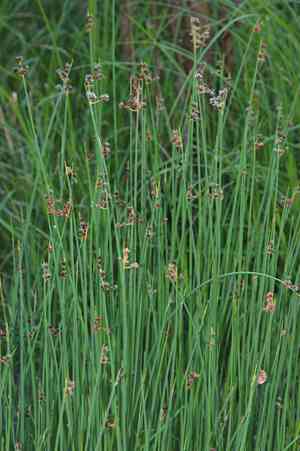
1
Softstem bulrush flourishes with a minimum of six hours of direct sun exposure each day.
2
Insufficient sunlight may result in diminished growth and less robust stems.
3
While Softstem bulrush can withstand some shade, ample sunlight encourages peak vitality.
Optimal Light Conditions for Softstem Bulrush
Full Sun vs. Partial Shade
Regarding the best light conditions for Softstem bulrush, full exposure to sunlight is typically favored. This implies giving the plant over 6 hours of direct sun daily. While it flourishes in full sun, Softstem bulrush can also endure partial shade. In areas with less than full sunlight, its growth may not be as robust, but it will still survive and produce blooms.
Benefits of Adequate Sunlight
Sufficient sunlight significantly improves the overall well-being and vigor of Softstem bulrush. Sunlight facilitates photosynthesis, which is vital for the plant's energy creation. With proper light, the plant tends to develop stronger, more sturdy stems and vibrant green leaves. Furthermore, correct sun exposure can boost flowering, making the plant an appealing landscape element.
Sunlight Duration and Intensity
For the healthiest development, Softstem bulrush needs exposure to sunlight for a minimum of 6 hours every day. The strength of the sunlight is also important, especially during peak summer months when the sun is most powerful. Morning and late afternoon sun is generally less intense and can be advantageous, whereas midday sun can be quite harsh. Ensuring the plant gets steady sunlight throughout the day encourages balanced growth.
How to Ensure Proper Light Exposure for Softstem Bulrush
Selecting the Right Spot
To guarantee that Softstem bulrush receives enough sunlight, it's crucial to plant it in a spot where it will be exposed to direct sunlight for the majority of the day. Ideal places include open areas near ponds, lakes, or water gardens with minimal shade.
Utilizing Natural Environments
Integrating Softstem bulrush into natural settings like wetlands or water edges can help ensure they get the correct amount of sunlight. These surroundings are typically open and bright, providing an excellent environment for the plant to thrive.
Supplementing with Artificial Lighting
In situations where natural sunlight is insufficient, particularly indoors or in shaded locations, augmenting with artificial light can be an effective approach. Employing full-spectrum grow lights for approximately 12-14 hours can mimic natural sunlight, helping Softstem bulrush maintain its health.
Common Sunlight Issues and Solutions for Softstem Bulrush
Indications of Excessive Sun
Although Softstem bulrush thrives in sunlight, too much can be harmful. Signs of overexposure include browning or scorched leaf tips, and an overall decline in foliage health. If these symptoms appear, consider providing some shade during the warmest part of the day.
Indications of Insufficient Sun
Conversely, inadequate sunlight can cause Softstem bulrush to appear leggy with fewer blooms and paler leaves. If the plant shows these signs, try moving it to a sunnier location or pruning back overhanging branches that might be creating too much shade.
Seasonal Light Adjustments
As seasons change, the angle and duration of sunlight will also vary. In winter, with shorter days, consider relocating container-grown plants to brighter spots or supplementing with artificial light to compensate for reduced natural sunlight.
Optimal Light Schedule for Growth and Health
Daily Light Requirements
For prime development, Softstem bulrush ideally needs at least 6 hours of direct sunlight daily. This consistent exposure assists the plant in photosynthesizing efficiently, keeping it vigorous and healthy.
Seasonal Variations
In summer, the longer days offer abundant sunlight, which is beneficial for growth and flowering. However, in autumn and winter, when days are shorter, it's important to ensure the plant still gets sufficient light, which might involve adjusting its position or supplementing with artificial lights.
Monitoring and Adjusting Light Exposure
Regularly observe your Softstem bulrush for signs of both excessive and insufficient sunlight. Modify its location as necessary to ensure it continues to receive the appropriate amount of sunlight throughout the year. If you're unable to provide consistent natural light, consider using grow lights to preserve its health.



