How Much Sunlight Do Octopus tree Need?
1
The Schefflera arboricola thrives in indirect light, approximately 3 to 6 hours daily.
2
This species can endure brief exposures to either direct sun or complete darkness.
3
Placing the Octopus tree close to a window receiving ample, filtered light is optimal.
Optimal Illumination for a Schefflera
Preferred Sun Exposure
For a flourishing Schefflera, providing adequate sunlight is essential. Ideally, this plant prospers in partial sun, requiring approximately 3-6 hours of daily sunlight. This light level aids in developing robust branches and maintaining lush, vivid foliage. Striking a balance is key, as too much or too little light can impede its growth.
Filtered vs. Direct Sun
While the Schefflera appreciates ample sunlight, extended periods of direct sun can be detrimental. Positioning the plant where it receives bright, indirect light is optimal. This can be achieved by placing it near an east or west-facing window where direct rays are softened by sheer curtains or other barriers.
Seasonal Light Requirements
The Schefflera's light needs can fluctuate with the seasons. During warmer months, providing some afternoon shade is beneficial to prevent scorching. In winter, when daylight hours are shorter, consider moving the plant to a location with more consistent light. Adjusting its position seasonally helps ensure it gets the ideal amount of light year-round.
Indicators of Appropriate or Inappropriate Light Levels
Signs of Healthy Development
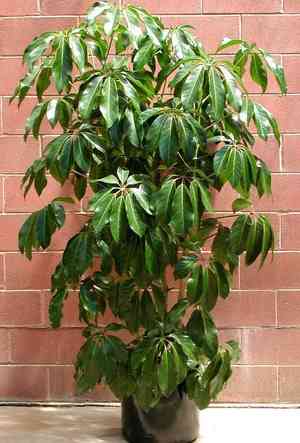
When exposed to the correct amount of light, the Schefflera exhibits glossy, green leaves and sturdy stems. Vigorous growth is common, with new leaves emerging regularly. If your plant appears strong and vibrant, it's likely receiving suitable sunlight.
Symptoms of Excessive Sunlight
Overexposure to sunlight can cause the Schefflera's leaves to bleach or develop scorched spots. If you observe leaves turning yellow or brown, it may indicate the plant is getting too much direct light. In such instances, it's advisable to relocate the plant to a spot with more filtered light.
Symptoms of Insufficient Sunlight
Conversely, inadequate light can lead to the Schefflera becoming leggy, with long, weak stems reaching for the light source. The leaves may also lose their vibrant color and appear dull. If your plant displays these signs, try moving it to a brighter location that offers the recommended amount of indirect light.
How to Position Your Schefflera for Best Light
Ideal Indoor Placements
Indoors, the Schefflera thrives best near windows that provide bright, indirect light. An east-facing window is perfect as it offers gentler morning light. Alternatively, a west-facing window can work if the light is filtered. Avoid placing the plant too close to south-facing windows where the afternoon sun is most intense.
Outdoor Positioning Advice
When grown outdoors, select a location that receives partial shade. Morning or late afternoon sun is preferable, while midday sun should be avoided. If potted, you can easily move the plant to adapt to changing light conditions. Gardens with naturally dappled sunlight, such as those beneath taller plants or trees, make excellent outdoor homes for the Schefflera.
Common Questions About Schefflera Light Needs
Can the Schefflera Survive in Low Light?
The Schefflera can endure low light conditions for brief periods. However, prolonged low light can impede its growth and result in less vibrant foliage. It's best to provide at least a few hours of indirect light daily to maintain the plant's health and vitality.
What Happens If My Schefflera Gets Too Little Light?
If a Schefflera receives insufficient light, it may become elongated and weak, with stretched stems as it reaches for the light. The leaves might also become pale or drop. In such cases, gradually move the plant to a brighter location to acclimate it without shock.



