How Much Sunlight Do African blood lily Need?
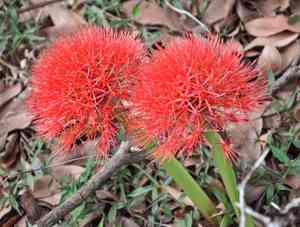
1
African blood lilies flourish with six to eight hours of daily solar exposure.
2
They can endure some shade, but full sun is their preference.
3
Adequate light promotes vigorous development and spectacular flowering.
What are the Light Requirements for African blood lily?
Ideal Sunlight Exposure
The African blood lily thrives best in conditions where it receives abundant sunlight. Ideally, you should aim to provide this distinct and vibrant plant with a minimum of 6 to 8 hours of sunshine daily. Full sun ensures the plant acquires sufficient energy for photosynthesis, which in turn fosters luxuriant growth and spectacular blossoms. For those cultivating the African blood lily indoors, situating it near a south-facing window can effectively meet its illumination requirements.
Effects of Excessive or Insufficient Light
While sunlight is vital for the African blood lily, achieving the correct equilibrium is essential. Too much direct solar exposure can result in scorched foliage and dehydration, whereas inadequate light can lead to stunted development, frail stems, and an absence of flowering. A clear indicator of too much light is the browning of leaves, while yellowing leaves or an elongated appearance may signal a need for more light. Regular observation of your plant's condition will assist you in modifying its environment as needed.
How to Position Your African blood lily for Optimal Sunlight
Best Indoor Locations
Indoors, the optimal spot for your African blood lily is adjacent to a luminous window that receives ample sunshine. South-facing windows are perfect as they deliver consistent illumination throughout the day. If a south-facing window isn't available, an east or west-facing window can also work, though you might need to supplement with a grow light to ensure the plant gets enough exposure. Furthermore, rotating the plant periodically can encourage uniform growth.
Outdoor Placement Tips
When planting the African blood lily outdoors, select a location that offers plenty of sunshine. While full sun is preferred, this hardy plant can tolerate partial sun if necessary. However, avoid areas with dense shade, as this will impede its growth and blooming. When planting directly in the ground, confirm the soil drains effectively. If you're cultivating it in containers, you have the flexibility to reposition them to benefit from the best solar exposure throughout the day.
Seasonal Sunlight Considerations for African blood lily
Spring and Summer
During spring and summer, the African blood lily enters its peak period of growth. This is when the plant demands the most sunlight to fuel its brilliant displays. Ensure it receives full sun for the majority of the day, and be wary of heatwaves where the sun's intensity might be too strong. In such instances, providing light shade during the harshest midday sun can shield the plant from harm.
Fall and Winter
As seasons change and days shorten, relocating your plant might become essential. Even though the African blood lily enters a dormant phase in winter, it still requires some illumination. If kept indoors, maintain its proximity to a window that offers the most daylight. Alternatively, you can employ artificial lighting to augment the diminished natural sunlight during these months.
Common Mistakes in Providing Light for African blood lily
Overexposure to Direct Sunlight
One of the frequent errors in caring for the African blood lily is excessive exposure to intense, direct sunlight. Prolonged contact, especially without gradual acclimatization, can char the plant's leaves. To avert this, gradually introduce the plant to more light and monitor for any indications of distress such as browning or curling foliage. If these symptoms appear, consider moving the plant to an area with indirect light during the hours of peak sunlight.
Neglecting Seasonal Adjustments
Another common error is failing to adjust the plant's position as the seasons progress. As daylight diminishes in the autumn and winter months, transferring the plant to a brighter spot can compensate for the reduced illumination. Continuously assess your plant's state and be proactive in making changes to its environment. This adaptability is crucial for ensuring your African blood lily stays healthy all year round.
Monitoring and Adjusting Sunlight for African blood lily
Signs of Light Stress
Being attentive to the indicators of light stress can significantly impact the well-being of your African blood lily. Typical signs of light stress include yellowing foliage (suggesting insufficient light) or browning leaf tips (indicating too much light). Furthermore, slow growth or elongated stems can also point to inadequate lighting conditions.
Adjusting Light Conditions
If you observe signs of light stress, take immediate measures to rectify the lighting conditions. For instance, if leaves are yellowing, try repositioning the plant to a brighter area. Conversely, if the leaves appear scorched, provide some shade during peak sunlight hours. Indoor cultivators should consider utilizing grow lights during winter months to supplement natural light, guaranteeing the plant receives adequate exposure throughout the year.



