How Much Sunlight Do Strawberry saxifrage Need?
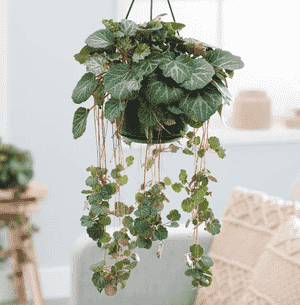
1
Strawberry saxifrage flourishes optimally with indirect light, around 3-6 hours per day.
2
The plant withstands complete shade, though flowering might be less abundant.
3
Excessive direct sun exposure can result in burned foliage for a Strawberry saxifrage.
Understanding Strawberry saxifrage Light Needs
Natural Habitat and Light Conditions
The Strawberry saxifrage originates from the shady, mountainous regions of China and Japan. In its native environment, it thrives under filtered sunlight that penetrates through the forest canopy. This plant has adapted to conditions where it receives diffuse light throughout the day, making it well-suited for similar settings in a home or garden.
Indoor vs Outdoor Light Requirements
For indoor Strawberry saxifrage, position it where it will get bright, indirect sunlight, such as by east or north-facing windows. Outdoors, this plant performs best in areas with partial shade, like beneath trees or on a covered patio, where it's protected from intense, direct midday sun. Replicating its natural environment is crucial for vigorous growth.
Ideal Locations for Growing Strawberry saxifrage
Best Indoor Spots
Indoor spaces with filtered window light or rooms offering ample indirect sunlight are perfect for Strawberry saxifrage. Make sure the plant isn't exposed to direct solar radiation for extended periods, as this can cause leaf scorching. East-facing windows are often preferred due to their bright, gentle morning light, avoiding the intense heat of the afternoon.
Appropriate Outdoor Areas
Outdoors, seek out spots that provide partial to full shade. Gardens featuring larger plants or trees that create a canopy are superb choices. Consider placing Strawberry saxifrage in hanging containers under porch roofs or on patios that experience dappled sunlight all day.
Signs of Incorrect Lighting for Strawberry saxifrage
Indicators of Too Much Sunlight
If your Strawberry saxifrage is receiving excessive sunlight, its leaves may appear scorched or develop brown edges. Additionally, you might notice the foliage becoming dry and fragile. This clearly indicates a need to relocate the plant to a more shaded position.
Indicators of Insufficient Sunlight
Conversely, inadequate sunlight can cause the plant to stretch and become leggy as it seeks brighter conditions. Its leaves might turn pale or yellow, signaling a requirement for more light. You might also observe a reduced number of blooms, as Strawberry saxifrage needs some light exposure for optimal flowering.
Adjusting Light Conditions for Strawberry saxifrage
Seasonal Light Adjustments
Throughout the year, the sun's angle and intensity vary. In winter, when sunlight is weaker, you might need to move your Strawberry saxifrage closer to windows to ensure it receives sufficient illumination. Conversely, during summer, it may require shielding from intense midday sun to prevent leaf damage.
Using Artificial Light Sources
If natural light isn't adequate, consider supplementing with artificial light sources. Fluorescent lamps or LED grow lights can guarantee your Strawberry saxifrage gets the necessary light, especially during shorter winter days. Position the light source approximately 20-30 cm (8-12 inches) above the plant for optimal results.
Common Mistakes in Lighting Strawberry saxifrage
Overexposure to Direct Sunlight
A frequent error is exposing the Strawberry saxifrage to direct sunlight for extended periods. Direct sun is often too harsh and can quickly lead to leaf burn. Instead, aim for a balance of partial shade and indirect light.
Neglecting Seasonal Shifts in Light
Another mistake gardeners make is failing to adjust the plant's location throughout the year. Seasonal changes in light intensity and duration necessitate periodically moving your Strawberry saxifrage to ensure it continues to flourish year-round.



