How Much Sunlight Do Mexican creeping zinnia Need?
1
Mexican creeping zinnia performs optimally with a minimum of 6 hours of direct sun each day.
2
Excessive solar exposure may lead to leaf scorch, visible as browned and yellowed foliage.
3
For locations with less light, using reflective materials and strategic trimming can enhance sun absorption.
Ideal Light Requirements for Mexican Creeping Zinnia
Full Sun Necessities
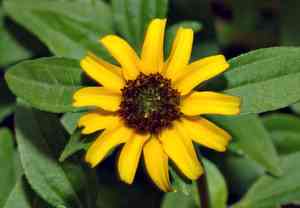
Mexican creeping zinnia thrives on sunlight. This vivid plant, celebrated for its bright yellow flowers, flourishes best in full sun. Full sun means the plant should get at least six hours of direct solar exposure daily. These heliophilic plants perform exceptionally well when situated in spots that receive prolonged sunshine, such as south-facing garden beds or sun-drenched patios. More light guarantees robust development and abundant floral displays.
Partial Shade Adaptability
While Mexican creeping zinnia excels under full sun, it can also endure partial shade. Partial shade implies the plant receives direct sunlight for roughly 3-6 hours daily. During particularly hot summer days, a bit of afternoon shade can alleviate plant stress. However, excessive shade might lead to fewer blossoms and elongated, leggy growth. Therefore, finding a balance is key if planting in a less sunny spot.
When Is Sunlight Excessive for Mexican Creeping Zinnia?
Indicators of Sunburn or Overexposure
Just like people, plants can suffer from sun damage. Sunburn on Mexican creeping zinnia typically manifests as wilting or scorched foliage. Leaves may discolor to yellow or brown, signaling excessive solar exposure. If these symptoms appear, it might be necessary to provide some afternoon shade or ensure adequate hydration to help the plant cope with intense light.
Preventing Solar Damage
To prevent sunburn in Mexican creeping zinnia, ensure consistent watering, especially during heatwaves. Applying mulch around the plants helps conserve soil moisture and keeps roots cool. Additionally, positioning plants to receive morning sun while being protected from harsh afternoon rays can prevent sun damage. If sunlight is too intense, consider employing a lightweight shade cloth to diffuse the light.
Seasonal Sunlight Considerations for Mexican Creeping Zinnia
Summer Sun Exposure
In summer, Mexican creeping zinnia benefits from ample sunlight. However, intense afternoon heat can sometimes be overwhelming. Offering some shade during peak afternoon hours or ensuring they are well-watered and mulched can keep them flourishing. It's wise to regularly inspect plants for any stress signs, such as wilting or leaf scorching, and address them promptly.
Winter Sunlight Needs
During winter, daylight hours shorten, and sunlight intensity diminishes. If you reside in a region with mild winters, Mexican creeping zinnia can continue growing outdoors with sufficient light. Nevertheless, in colder climates, consider cultivating them indoors or in a greenhouse where they can still access adequate illumination. South-facing windows are ideal to ensure maximum natural sunlight during shorter days.
Indoor Cultivation: Lighting Advice for Mexican Creeping Zinnia
Window Placement
When growing Mexican creeping zinnia indoors, plant positioning is crucial to mimic outdoor conditions. Place the plant near a south or southwest-facing window to ensure maximum sunlight exposure. Periodically rotate the plant to encourage balanced growth and prevent one-sided leaning. If natural light is insufficient, consider supplementary artificial lighting.
Artificial Light Solutions
If your indoor environment lacks adequate natural light, grow lights can provide the necessary light spectrum for your Mexican creeping zinnia. Full-spectrum LED or fluorescent grow lights are particularly effective. Position lights about 6-12 inches (15-30 cm) above the plant and operate them for approximately 12-16 hours daily to replicate natural sunlight conditions.
Enhancing Sunlight for Mexican Creeping Zinnia in Shaded Environments
Utilizing Reflective Materials
In areas with limited sunlight, you can employ reflective surfaces to maximize the light your Mexican creeping zinnia receives. Position reflective materials, such as aluminum foil or whiteboards, around the plants to bounce more light onto them. This technique can significantly improve light distribution, especially in shaded corners of your garden or patio.
Pruning Nearby Vegetation
Another method to boost sunlight for Mexican creeping zinnia in shady spots is to prune nearby plants or trees that cast shadows. Trim overhanging branches and thin out dense canopies to allow more light to penetrate. This not only improves solar exposure but also enhances air circulation, fostering better growth for your zinnias.



