How Much Sunlight Do Cotton lavender Need?
1
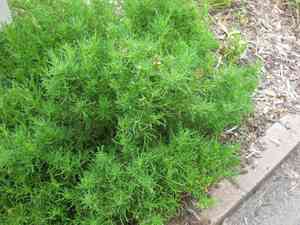
Cotton lavender flourishes optimally in bright sunlight, requiring over six hours of direct sun exposure each day.
2
Extended periods of inadequate light can result in stretched stems and diminished flowering.
3
While cotton lavender can endure some shade, its best development occurs under full sun conditions.
Optimal Illumination for Cotton Lavender
Preferred Light Strength
For successful Cotton lavender cultivation, target bright, direct solar exposure. These plants thrive in intense sunlight, with full sun conditions being their ideal environment. Full sun implies a minimum of 6-8 hours of direct sunlight daily. This is especially beneficial for Cotton lavender, as they are accustomed to the strong Mediterranean sun.
Duration of Solar Exposure
For optimal growth and upkeep, it's vital that Cotton lavender receives a substantial amount of daily sunlight. Ideally, it should be exposed to direct sunlight for at least 6 hours each day. Longer durations, such as 8-10 hours, are even more advantageous during peak growing seasons to maximize their lush, dense foliage and vibrant yellow blooms.
Seasonal Light Fluctuations
Seasonal shifts can significantly impact the sunlight Cotton lavender receives. During colder months, the intensity and duration of sunlight diminish, which may affect the plant's development. In these periods, consider positioning the plant in the sunniest available spot or supplementing with grow lights to mimic summer conditions. Spring and summer, with their extended daylight hours, offer prime conditions for growth.
Impact of Insufficient Light on Cotton Lavender
Identifying Low Light Indicators
Inadequate sunlight can cause considerable problems for Cotton lavender. The most obvious signs of low light conditions include elongated, thin stems and a paler leaf coloration. You'll also observe that the plant may become leggy, with leaves widely spaced along the stem, indicating it's reaching for light sources.
Growth Issues from Low Light
When Cotton lavender lacks sufficient sunlight, its growth is hindered. It may produce fewer flowers, leading to a less vibrant appearance. Furthermore, insufficient light impedes the plant's ability to photosynthesize effectively, resulting in weaker overall health and making it more vulnerable to pests and diseases.
Managing Excessive Sunlight for Cotton Lavender
Heat Stress Symptoms
While Cotton lavender loves the sun, extreme heat can still stress the plant. Symptoms of heat stress include wilting despite adequate watering, leaf scorching, and a general decline in plant vigor. Observing these indicators is crucial during exceptionally hot weather.
Preventing Sunburn Damage
To prevent sunburn, especially in regions with extremely high temperatures, consider using shade cloths to provide some relief during the hottest parts of the day. Mulching around the base can also help retain soil moisture, protecting the roots from extreme heat.
Best Practices for Cotton Lavender Placement
Indoor Light Management
If you're cultivating Cotton lavender indoors, place it near a south or west-facing window where it can receive ample sunlight. If natural light is insufficient, supplement with grow lights, ensuring the plant gets the bright conditions it thrives on.
Outdoor Planting Considerations
When planting Cotton lavender outdoors, select a location that receives full sun throughout the day. The spot should be well-drained to prevent root rot. Raised beds or containers can be excellent options to improve drainage and sun exposure.
Utilizing Partial Shading
In cases where full sun isn't feasible, Cotton lavender can tolerate partial shade. However, ensure that it still receives at least 4-6 hours of direct sunlight combined with bright, indirect light for the remainder of the day. This compromise helps maintain plant health, though it may slightly reduce blooming intensity.



