How Much Sunlight Do Scarlet sage Need?
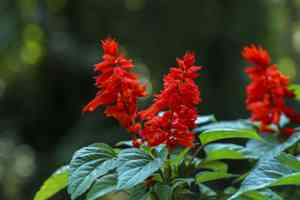
1
For optimal growth, scarlet sage needs a minimum of 6 hours of direct sun each day.
2
Although it can withstand some shade, ample sunlight promotes the most vivid flowers.
3
Scarlet sage exhibits distinct indicators when it gets insufficient or excessive light, simplifying its relocation.
What are the Sunlight Requirements for Scarlet sage?
Optimal Sunlight Exposure
For robust development and vibrant blooms, Scarlet sage needs at least 6 hours of full sun daily. This light level supports efficient photosynthesis, leading to an abundance of flowers and stronger, more vigorous growth. Placing Scarlet sage in a sun-drenched spot significantly enhances its overall health and look.
Impact of Direct Sunlight
Direct sunlight is vital for Scarlet sage, boosting photosynthesis and encouraging prolific flowering. Direct exposure helps the plant develop deep, rich flower colors and keeps its foliage lush and green. However, monitor the plant during peak summer to prevent scorching from excessive heat; a location with a gentle breeze can be beneficial.
Partial Shade Tolerance
Scarlet sage demonstrates some adaptability, tolerating partial shade. This flexibility is useful in gardens with varied light levels. While partial shade won't yield the same vibrant results as full sun, the plant will still grow and flower, though less abundantly. If full sun isn't possible, aim for morning sun and afternoon shade.
How to Position Scarlet sage for Maximum Sunlight?
Indoor Placement Tips
When growing Scarlet sage indoors, position it on your brightest windowsill, ideally south or west-facing. These spots typically receive the most consistent light throughout the day. Rotate the plant every few days to ensure all sides get sufficient light, preventing uneven development. Supplemental grow lights can be advantageous, especially in less sunny regions.
Outdoor Garden Positioning
For outdoor gardens, place Scarlet sage where it will receive direct sunlight for most of the day. Avoid planting under large trees or structures that cast significant shadows. Consider locations along pathways, borders, or in a central flower bed where they are unlikely to be overshadowed by other plants.
Using Artificial Light
In environments with limited natural sunlight or during shorter winter days, consider using artificial lights as a supplement. LED grow lights are effective, offering a sunlight-like spectrum and adjustable intensity and duration. Position them approximately 6-12 inches (15-30 cm) above the plants and run them for 12-16 hours daily to simulate natural light conditions.
What Happens If Scarlet sage Gets Too Little or Too Much Sunlight?
Signs of Insufficient Sunlight
If Scarlet sage receives inadequate sunlight, you'll observe distinct signs. The plant may display leggy growth, with stems stretching in search of light, resulting in a sparse, weak appearance. Flower vibrancy might diminish, leading to duller, less impressive blooms. Additionally, the plant's growth rate will slow, and you might notice yellowing leaves.
Indicators of Excessive Sunlight
Scarlet sage exposed to excessive sunlight and heat can show signs of distress. Look for leaves that are scorched or develop brown edges and spots. Flower petals may also become discolored or shriveled. Providing some afternoon shade during the hottest hours can help prevent this damage.
Balancing Light Conditions
Successful cultivation of Scarlet sage involves balancing its light needs with protection from extreme conditions. Regularly monitor the plant, adjusting its placement as needed to ensure it receives ample light without suffering from overexposure. Using lightweight shade cloths outdoors or sheer curtains indoors can help moderate direct sunlight.



