How Much Sunlight Do Purple sage Need?
1
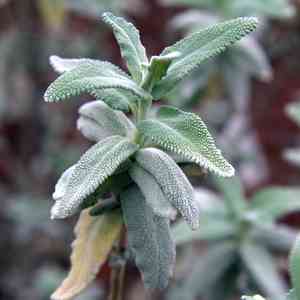
Purple sage flourishes optimally with direct sunlight for a minimum of six hours daily.
2
This plant can endure a degree of partial shade, though its growth might be less vigorous.
3
Effective sunlight regulation across various seasons is vital for robust plant development.
Ideal Light Conditions for Purple Sage
Full Sun Exposure
For peak development, Purple sage needs full sun. This means it should get at least six hours of direct sunlight daily. Full sun ensures the plant stays healthy, vibrant, and produces its characteristic purple flowers. Placing your Purple sage where it receives uninterrupted sunlight all day will greatly benefit its growth. If planting in a garden, select a spot with minimal shade from nearby structures or trees.
Partial Shade Tolerance
While Purple sage thrives in full sun, it can also endure some partial shade. However, it's important to note that in partial shade, the plant might not reach its full potential. Growth can become elongated, and the vivid purple blooms may be less frequent. Ideally, provide morning sun followed by light afternoon shade if full sun isn't feasible. This balance helps lessen sun intensity while ensuring the plant gets enough light to flourish.
Optimal Placement for Purple Sage Sunlight
Choosing the Right Garden Spot
Selecting the correct location in your garden is vital. Look for an open area free of obstructions that could block sunlight. A southern or southwestern orientation is often best for maximizing daily sunlight. When planting in the ground, remember to space Purple sage 24 to 36 inches (60 to 90 cm) apart to ensure each plant has ample room to grow and receive sufficient light.
Container Positioning Advice
If cultivating Purple sage in containers, flexibility is key. Position the containers in an area where the plants can get abundant sun, such as a sunny patio or deck. A benefit of container gardening is the ability to move plants as needed to capture optimal sunlight. Ensure containers have good drainage and are large enough to support the plant's root system, which aids overall health and growth.
Signs of Light Imbalance in Purple Sage
Symptoms of Excessive Light
Too much sunlight can cause scorched leaves, which may appear brown or bleached. If you observe your Purple sage suffering from too much sun, consider providing temporary shade during the hottest parts of the day. This can be achieved with shade cloths or strategically placed umbrellas. Ensuring adequate watering can also help mitigate the effects of intense sunlight.
Indicators of Insufficient Light
Conversely, inadequate sunlight can lead to weak, spindly growth and fewer flowers. The leaves might become a dull green or yellow, and the plant could struggle to maintain its form. If you notice these signs, try moving your Purple sage to a brighter location. For container plants, this is relatively simple. However, if the plant is in the ground, you might need to prune back any overhanging branches or structures casting too much shade.
Adjusting Light for Seasonal Changes
Summer Sun Management
During summer, Purple sage can enjoy the extended daylight. However, intense heat can sometimes be excessive. If you're in an area with extremely hot summers, consider offering light afternoon shade or increasing watering frequency to balance the strong sun exposure. Mulching around the plant bases can also help retain moisture and keep roots cool.
Winter Light Requirements
In winter, even with less intense sunlight, it's crucial to ensure Purple sage still gets enough light. Place container plants near a south-facing window if brought indoors. For outdoor plants, clear away any snow or debris blocking the sun. If possible, reposition plants or use grow lights to supplement the shorter daylight hours.



