How Much Sunlight Do Weeping willow Need?
1
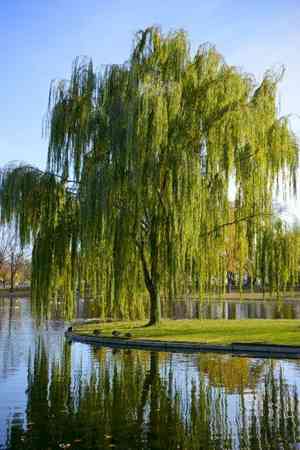
Weeping willows flourish most effectively with ample sunlight, though they can endure some shade.
2
Confirm your Weeping willow gets more than 6 hours of direct sun each day for peak development.
3
Position Weeping willows a minimum of 15-20 feet (4.5-6 meters) from buildings because of their expansive root networks.
Optimal Sunlight Requirements for Weeping willow
Full Sun vs. Partial Shade
The Weeping willow, recognized for its striking, drooping branches and rapid growth, thrives best in full sun. Full sun signifies the tree gets at least six hours of direct daylight daily. In these ideal conditions, the tree will achieve extensive growth and maintain robust health. However, Weeping willows are adaptable and can endure partial shade. If your garden area lacks constant sun exposure, your Weeping willow will still flourish, although it might not reach its maximum growth potential.
Sunlight Duration
For a Weeping willow to prosper, it needs a substantial amount of daily sunlight. Aim for your tree to receive at least 6 to 8 hours of direct sun exposure each day. This level of light allows the tree to perform photosynthesis efficiently, generating the energy necessary for growth and keeping its lush, green leaves. During the peak growing seasons of spring and summer, paying attention to sunlight duration is especially vital for the tree's vigor and health.
What Happens If a Weeping willow Gets Too Much Sun?
Signs of Sunburn
Even though Weeping willows adore sunlight, excessive exposure, particularly in intense, hot climates, can lead to sunburn. Indicators of sunburned leaves include browning along the edges, wilting, and in severe instances, leaf drop. If you observe these symptoms, it might suggest your tree is receiving more sunlight than it can tolerate.
Preventative Measures
To protect your Weeping willow from sunburn, consider offering some temporary shade during the height of summer, especially in the afternoon. This can be achieved using shade cloths or by strategically planting the tree where it gets intense morning sun and is shielded from harsh afternoon rays by taller structures or other trees.
Can a Weeping willow Survive in Low Light Conditions?
Symptoms of Insufficient Sunlight
Weeping willows require considerable sunlight for vigorous growth. In low light environments, such as beneath other large trees or near tall buildings, the tree may exhibit stunted development. Symptoms of inadequate sunlight include elongated, thin branches that stretch out seeking more light, paler colored leaves, and generally poor tree health.
How to Improve Light Conditions
If your Weeping willow isn't getting enough sunlight, several actions can be taken. Prune nearby trees or shrubs that might be casting shadows on your willow. Additionally, think about relocating the willow to a more open area where it can receive full sun. Ensure the new spot is suitable and provides the necessary space and soil conditions for the willow to thrive.
Best Locations for Planting a Weeping willow
Garden Placement
When selecting a spot in your garden for a Weeping willow, choose an area that receives abundant sunlight throughout the day. The open center of a yard is typically an ideal location, away from overly shaded spots created by other large trees. This placement enables your willow to maximize sun exposure and develop symmetrically.
Proximity to Water Sources
Weeping willows naturally grow near water bodies, so planting your Weeping willow close to a stream, pond, or other water sources can emulate its native habitat. This not only ensures consistent moisture but also provides a reflective light source, boosting the overall sunlight your willow receives.
Spacing and Orientation
These trees possess extensive root systems and demand ample room to grow. When planting, ensure the tree is at least 15-20 feet (4.5-6 meters) from buildings, sidewalks, and sewer lines to prevent potential harm. Planting in an open, airy spot helps accommodate the extensive root spread needed and ensures the canopy develops fully under optimal light conditions.
Seasonal Sunlight Variations for Weeping willow
Spring and Summer Requirements
During the active growth periods of spring and summer, Weeping willow trees need plenty of sunlight—around 6 to 8 hours daily. In these seasons, the increased sunlight intensity and duration assist the willow in producing new growth and maintaining its characteristic foliage.
Fall and Winter Adaptations
As the seasons transition to fall and winter, natural sunlight diminishes. During these periods, Weeping willow trees enter a dormant phase. While full sunlight is less critical during dormancy, ensuring the tree still receives some light exposure is advantageous. This reduces any unnecessary stress and aids the tree in preparing for the upcoming growth seasons.



