How Much Sunlight Do Black-eyed susan Need?
1
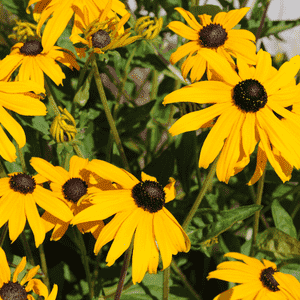
Rudbeckia hirta flourishes in abundant sunlight, needing a minimum of six hours of direct sun each day.
2
They are able to endure some shade, though flowering may be less prolific.
3
Both excessive sun and insufficient light can adversely impact your Black-eyed susan's vitality.
Optimal Light Requirements for Black-eyed Susans
Abundant Sun Exposure
For prime development and vivid blooms, Black-eyed Susans should be situated in spots that receive ample direct sunlight. This implies your flora requires at least six hours of unobstructed solar exposure daily. Full sun encourages prolific flowering and sturdier, healthier specimens. These heliophilic plants will reward your efforts with cheerful, golden-yellow blossoms capable of brightening any garden area.
Partial Shaded Tolerance
While Black-eyed Susans prefer unhindered sunlight, they can endure some filtered light. In areas experiencing intermittent afternoon shade, they will still flourish, though their flowering may be less abundant. If your garden includes shaded zones, consider alternating these areas with full-sun environments to balance their illumination needs without excessive exposure, particularly during intense summer heat.
Achieving Perfect Sunlight for Black-eyed Susans
Ideal Placement Spots
Selecting the correct planting site is paramount. Choose a location with unobstructed light, such as an open garden bed, alongside pathways, or bordering your garden. Ensure that adjacent flora or structures do not cast extended shadows on your Black-eyed Susans. This deliberate positioning enables them to absorb maximum light, which is vital for their growth and blooming phases.
Seasonal Light Fluctuations
Remember that solar exposure varies with the seasons. During spring and summer, daylight hours are longer, which generally benefits Black-eyed Susans. However, in autumn and winter, sunlight is reduced. Consequently, planting in strategic locations where they can absorb the most light during peak growing periods is crucial. If necessary, reposition containerized plants to ensure they receive adequate illumination throughout the entire year.
Indications of Too Much or Too Little Light
Symptoms of Sun Damage
Black-eyed Susans are quite resilient but can suffer from sun scorch if exposed to excessively intense solar radiation. Look for signs such as seared leaves, wilted petals, or discolored patches on the foliage. These symptoms typically indicate that your plants are receiving too much direct sunlight and require some form of shading, especially during the warmest parts of the day.
Evidence of Insufficient Light
Conversely, if your Black-eyed Susans are not receiving enough illumination, they may exhibit poor blooming, elongated stems, and pale, feeble foliage. These indicators clearly show that your plants need a brighter location to thrive. Moving them to an area with better sunlight exposure or pruning back overhanging plants can help resolve this issue.
Modifying Sunlight for Black-eyed Susans
Implementing Shade Cloths
In regions with powerful, prolonged sunlight, utilizing shade cloths is an effective method to safeguard your Black-eyed Susans. Shade cloths can filter out some detrimental rays while still permitting sufficient light for photosynthesis. This is particularly useful during peak summer months when solar intensity is at its highest. Select a fabric with appropriate light-filtering capabilities to provide the right equilibrium of sunlight and shade.
Repositioning Potted Plants
For gardeners cultivating Black-eyed Susans in containers, a straightforward approach to managing their sunlight exposure is relocating the pots as needed. If you observe signs of stress due to excessive or inadequate sunlight, it’s simple to move the pots to a more appropriate spot. This adaptability allows you to experiment with various locations throughout the year to discover the ideal balance for your plants.



