How Much Sunlight Do Multiflora rose Need?
1
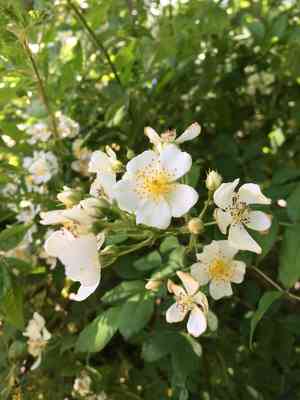
Multiflora rose performs optimally with 6-8 hours of direct solar exposure each day.
2
Although Multiflora rose can endure some shade, it greatly benefits from abundant sunlight.
3
Relocating the plant depending on the season could assist in sustaining ideal light conditions.
Optimal Light Requirements for Multiflora Rose
Direct Sun vs. Filtered Light
When planning your garden, it's crucial to understand that Multiflora rose flourishes best in areas receiving direct sunlight for at least 6-8 hours daily. While it tolerates partial shade, especially during peak heat, insufficient light can result in weaker growth and fewer blossoms. Full sun ensures the plant's energy production is maximized, supporting vigorous development and abundant flowering.
Selecting the Prime Location
Choosing the ideal spot for your Multiflora rose is vital. Seek garden areas that receive ample morning sun, as this kickstarts the photosynthesis process early. Ensure the chosen site isn't heavily shaded by taller flora or structures. Ideally, position your Multiflora rose where it gets uninterrupted sunlight for most of the day.
Fluctuations in Seasonal Light
Sunlight availability changes with the seasons, and understanding these shifts aids in plant care. During winter, with shorter days, light might be restricted. It could be beneficial to relocate potted Multiflora rose plants to brighter locations at this time. Conversely, in intensely hot summers, providing some dappled shade during peak hours can prevent scorching and stress.
The Importance of Proper Sunlight for Multiflora Rose
Photosynthesis and Development
Sunlight is essential for Multiflora rose to perform photosynthesis, the process by which plants convert solar energy into chemical energy. This energy is fundamental for growth, maturation, and overall plant vitality. Without adequate sunlight, the plant's capacity to produce energy is compromised, leading to stunted development and poor health.
Bloom and Fruit Production
Sufficient sunlight directly impacts the flowering and fruiting of Multiflora rose. The more light the plant receives, the greater its energy reserves for producing blooms and fruits. Full sun exposure encourages prolific flowering and higher fruit yields, enhancing both the aesthetic and ecological value of the plant.
Resistance to Pests and Diseases
Appropriate sunlight exposure strengthens Multiflora rose, increasing its resilience to pests and diseases. Sunlight helps maintain the plant's structural integrity and immune responses, decreasing the likelihood of infestations and infections. Additionally, well-lit environments deter the growth of mold and mildew, common issues in shaded, moist areas.
Indicators of Inadequate or Excessive Sunlight
Symptoms of Insufficient Light
If your Multiflora rose isn't receiving enough sunlight, you'll observe signs such as elongated stems, reduced flowering, and paler foliage. The plant may also exhibit slower growth and a general lack of vigor. These indicators suggest the plant is struggling to generate enough energy through photosynthesis.
Symptoms of Overexposure to Light
Conversely, too much sunlight, especially in very hot climates, can lead to leaf burn and desiccation. Look for symptoms like brown or crisp leaf margins, wilting during the warmest part of the day, and rapidly drying soil. Ensuring balanced light exposure can prevent these problems.
Adjusting Light Exposure
To ensure your Multiflora rose receives the correct amount of sunlight, consider seasonal modifications. Position potted plants in optimal light spots depending on the season, and implement light shading techniques during peak summer heat to prevent scorching. Regularly monitor the plant's condition and adjust its placement as needed to maintain peak health.



