How Much Sunlight Do French rose Need?
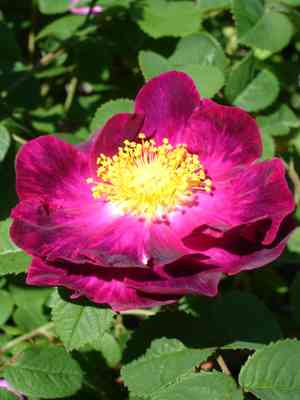
1
The French rose flourishes in ample sunlight, needing a minimum of 6 hours of direct sun each day.
2
Although the French rose can endure some shade, it's preferable to provide it with maximum light for the best flowering.
3
Observing your French rose for indications of excessive light exposure helps preserve its well-being in very bright environments.
Understanding the Light Requirements for French rose
Optimal Light Conditions
The French rose is a heliophilic plant that flourishes best in full sun. This implies it requires at least 6 hours of direct sunlight daily to thrive. Ideally, providing approximately 8 hours will ensure your French rose flowers abundantly and maintains its vivid coloration. In regions where sunlight is inconsistent throughout the day, it's advantageous to place your plants where they can receive the most intense afternoon sun.
Effects of Insufficient Light
Inadequate sunlight can significantly impact the health and development of your French rose. Without sufficient light, you'll observe a reduction in flowering, and any blossoms that do appear may be smaller and less vibrant. Furthermore, the foliage might seem sparse, and the plant could become more vulnerable to pests and diseases due to weakened defenses. Ensuring your French rose receives the necessary amount of sunlight is vital for its overall vigor.
Indicators of Excessive Light Exposure
While the French rose enjoys ample sun, too much exposure can be detrimental. Signs of excessive sunlight include scorched or sunburnt leaves, which appear brown and brittle, especially along the edges. If you notice such symptoms, consider offering some shade during the hottest parts of the day or moving the plant to mitigate the damage.
Maximizing Light for French rose Development
Selecting the Prime Location
To optimize light for your French rose, carefully choose a spot that receives full sun. The south-facing section of your garden is typically perfect in the Northern Hemisphere. Ensure there are no large trees or structures that could cast shadows on your roses during the day. If you are cultivating French rose in containers, consider relocating them to follow the sunâs trajectory throughout the season.
Seasonal Light Adjustments
Seasonal variations can influence the amount of light your French rose receives. In the summer, days are longer and sunlight is more intense. During these periods, monitor the plants for signs of overexposure and provide shade when necessary. In winter or early spring, when sunlight is less intense, ensure your roses are positioned to receive maximum light. This might involve pruning nearby plants or moving potted roses to brighter spots.
Utilizing Shade and Light Modifiers
Employing shade and light modifiers can help manage the plantâs light exposure, especially during extreme weather conditions. Lightweight garden netting or shade cloths can shield the French rose from intense summer sun, reducing the risk of leaf scorch. In cooler months, reflective surfaces or light boards can be used to maximize available light, ensuring your plants continue to receive the necessary illumination.
FAQs on French rose Light Requirements
Can French rose Grow in Partial Light?
Yes, the French rose can endure partial light, meaning it can still grow with approximately 4-6 hours of sunlight per day. However, for the most vivid blooms and healthiest growth, a full sun environment is ideal. If partial light is your only option, try to ensure the French rose gets its light during the brightest part of the day, ideally in the afternoon.
How Many Hours of Light Daily?
To flourish, the French rose needs a minimum of 6 hours of direct sunlight daily. For optimal growth and flowering, providing around 8 hours is recommended. In conditions where it receives less than this, you may need to employ strategies like repositioning the plant or trimming nearby structures to improve light access.
What is the Best Time of Day for Light?
The best time of day for the French rose to receive sunlight is in the morning and early afternoon. Morning sun helps dew evaporate quickly, reducing the risk of fungal diseases. Afternoon sun ensures the rose gets the intense light it needs for photosynthesis without the excessive heat that typically accompanies mid-afternoon sun in many regions.



