How Much Sunlight Do Austrian brier Need?
1
The Austrian brier flourishes optimally with a minimum of 6 hours of direct sun daily.
2
Insufficient light can result in diminished flower development for the Austrian brier.
3
Employing reflective surfaces can aid in maximizing sun exposure for your Austrian brier.
Optimal Light Conditions for Austrian Brier
Full Sun: Its Importance
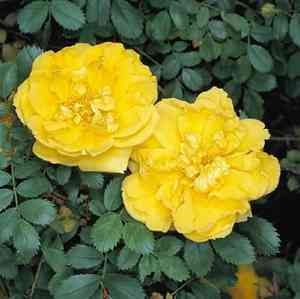
The Austrian brier flourishes in full sun, needing at least 6 to 8 hours of direct sunlight daily. This exposure is vital for the plant's health, energy production via photosynthesis, and robust development. The vibrant yellow blossoms of the Austrian brier are more abundant when the plant gets sufficient sunlight. Therefore, a garden spot bathed in sun for most of the day is ideal for your Austrian brier.
Partial Shade: Is It Suitable?
While full sun is preferred, the Austrian brier can endure partial shade. However, conditions with less than 6 hours of direct sunlight might hinder its blooming capacity. You'll observe fewer flowers and potentially stunted growth if the plant doesn't receive its preferred light. Placing your Austrian brier where it gets morning sun and light afternoon shade can be a good compromise.
Understanding Light Intensity for Austrian Brier
Measuring Light Strength
Grasping light intensity helps you provide the correct environment for your Austrian brier. Light intensity is measured in lux or foot-candles. Full sunlight typically ranges from 10,000 to 100,000 lux (around 1,000 to 10,000 foot-candles). A light meter can be used to assess light levels in various garden areas. Ensuring the Austrian brier is in a spot receiving this light level will aid its prosperity.
Prime Times for Maximum Light
The Austrian brier benefits most from sunlight at specific times. Morning sun is often less intense but highly effective for photosynthesis. Midday sun is the strongest, providing the most intense light, crucial for the plant's energy needs. Ensuring your Austrian brier receives sunlight from early morning to early afternoon will help maximize its growth and flower production.
Impacts of Insufficient Sunlight on Austrian Brier
Signs of Low Light Exposure
When the Austrian brier lacks adequate sunlight, several indicators can signal low light exposure. You might notice the plant's stems elongating as it reaches for light, a process called etiolation. Leaves may become pale or yellow, and the quantity and size of blooms can significantly decrease. If these signs appear, it clearly indicates your Austrian brier requires more sunlight.
Recovery and Adjustments
If your Austrian brier exhibits symptoms of insufficient sunlight, modifications can be made to improve its condition. Start by gradually moving the plant to a sunnier spot to prevent shock from sudden light changes. Pruning overhead branches or relocating other plants that block light can also assist. If these options aren't feasible, consider using artificial grow lights to supplement natural light, especially during shorter winter days.
Tips for Optimizing Sunlight for Austrian Brier
Selecting the Right Planting Site
Choosing the correct location is vital for maximizing sunlight for your Austrian brier. Pick a spot that gets full sun for most of the day, ideally with some protection from harsh afternoon sun in extremely hot climates. Elevated areas or open spaces without obstructions are perfect for ensuring your plant receives the most light.
Utilizing Reflective Materials
Reflective materials can help boost the amount of sunlight your Austrian brier receives. Items like white gravel, garden mirrors, or reflective mulches can be placed around the plant to bounce light back onto it. This method is especially useful in partially shaded areas or gardens enclosed by walls and fences that might block direct sunlight.
Artificial Lighting Solutions
In situations where natural sunlight is inadequate, artificial lighting is a viable choice for the Austrian brier. LED grow lights are an excellent option due to their energy efficiency and ability to provide full-spectrum light. Position the grow lights above the plant, adjusting the height to mimic natural sunlight as closely as possible. Ensure the lights are on for about 6 to 8 hours daily to supplement natural light.
Seasonal Sunlight Changes for Austrian Brier
Adapting to Summer Sun
During summer, the Austrian brier should receive ample sunlight, but extreme heat can sometimes cause stress. Ensure the plant is well-watered to prevent dehydration. If the sun is particularly intense, providing some afternoon shade can help prevent leaf scorch.
Managing Winter Light Levels
In winter, reduced daylight hours can affect the Austrian brier. Place the plant in the sunniest available location, preferably one that receives morning sunlight. You might also need to use artificial lighting to maintain a healthy light level. Ensuring efficient drainage can help mitigate the effects of increased moisture during less sunny periods.



