How Much Sunlight Do Black locust Need?
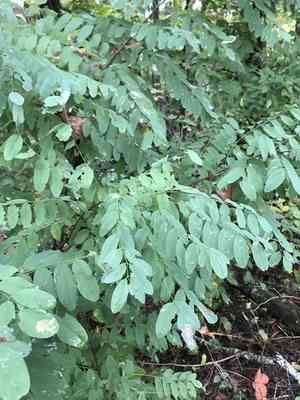
1
For optimal growth, the Black locust requires a minimum of 6 hours of direct sunlight daily.
2
Black locust specimens can endure some partial shade, though their vigor might be reduced.
3
Employing a light meter assists in confirming your Black locust is getting adequate illumination.
Optimal Light Conditions for Black Locust Trees
Requirements for Full Sun
For prime development, Black locust thrives under full sun exposure. This indicates the tree should receive a minimum of 6 hours of direct solar radiation daily. Sufficient sunlight facilitates efficient photosynthesis, leading to robust growth and a strong, healthy structure. In regions with very warm summers, the Black locust can benefit from morning sun and some afternoon dappled light to prevent potential heat stress.
Tolerance for Partial Shade
Although the Black locust favors full sun, it can also withstand partial shade. In such conditions, the tree might exhibit less vigorous growth but can still survive and maintain its health. Partial shade implies the tree would receive 3 to 6 hours of sun exposure daily or more diffused light throughout the day. This could be ideal if your yard has spots that are shaded for part of the day by structures or other larger trees.
Methods for Monitoring Sunlight Exposure for Black Locust
Utilizing a Sunlight Meter
A sunlight meter is a practical tool for gardeners aiming to ensure their Black locust gets the appropriate amount of sunlight. These devices quantify the intensity and duration of light in a specific area. Position the meter in the desired spot and observe the readings over the day. This will provide a clear understanding of the direct sunlight the tree receives. If readings indicate less than 6 hours of sunlight, you might need to consider relocating the tree or trimming nearby vegetation.
Natural Indicators of Sufficient Sunlight
Beyond employing a sunlight meter, you can observe the Black locust itself for natural signs that it is receiving adequate light. A healthy tree with vibrant green foliage and a dense canopy typically signals sufficient sunlight. Conversely, if the leaves are sparse or discolored, it may suggest the tree requires more sun. Regularly inspect your Black locust to identify any early signs of distress.
Potential Problems Linked to Sunlight Levels
Symptoms of Insufficient Sunlight
Inadequate sunlight can lead to several problems for the Black locust. Watch for stunted growth, elongated or spindly branches as the tree reaches for light, and leaves that are smaller than usual. The foliage might also appear paler compared to a well-illuminated tree. Addressing insufficient sunlight involves moving the tree to a brighter location or pruning overhead branches that obstruct its light.
Indications of Excessive Sunlight
While the Black locust prefers full sun, too much intense solar exposure, especially coupled with high temperatures, can induce stress. Symptoms of excessive sunlight include scorched or browned leaf margins and wilting leaves. Providing some shelter during the hottest part of the day, particularly in extreme climates, can alleviate these effects. Ensure the tree is adequately hydrated to counter dehydration from strong sun exposure.



