How Much Sunlight Do Swamp Azalea Need?
1
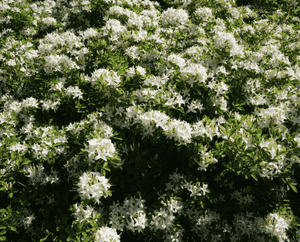
Swamp Azaleas flourish optimally in dappled sunlight, receiving approximately 3-6 hours of direct light each day.
2
Although Swamp Azaleas can endure full sun exposure, they favor some afternoon shade to prevent leaf burn.
3
Indications of excessive sun involve leaf discoloration and drooping, while insufficient light may lead to sparse flowering.
What are the Sunlight Requirements for Swamp Azalea?
Ideal Sunlight Conditions
For the Swamp Azalea, providing the correct amount of light is vital for its vitality and flowering potential. Ideally, these azaleas thrive in partial sun, meaning approximately 3-6 hours of direct sunlight daily. This enables efficient photosynthesis and the production of its characteristic beautiful blooms. However, it's crucial to balance this with periods of shade to prevent excessive exposure, which can harm the plant.
Partial Shade vs. Full Sun
Swamp Azaleas possess the unique capacity to endure full sun, yet they truly flourish in conditions offering partial shade. In a full sun environment, there's a risk of leaf burn and dehydration, especially during the warmest parts of the day. Conversely, too much shade can result in a lack of flowering and weak development. Therefore, achieving a balance where your Swamp Azalea receives morning sun and afternoon shade is optimal.
How to Adjust Sunlight Exposure for Swamp Azalea?
Morning Sunlight Benefits
Morning sunlight is especially advantageous for Swamp Azaleas. It supplies the necessary energy for the plant to begin its daily photosynthesis without the intense heat that follows later. Placing your Swamp Azalea where it can absorb early day sun can lead to more robust growth and vibrant flowers. It also aids in quickly drying morning dew, reducing the likelihood of fungal diseases.
Afternoon Shade Preferences
As the day progresses, providing afternoon shade becomes essential for Swamp Azaleas. Afternoon sun can be harsh, particularly in mid-summer, potentially causing damage like leaf scorch, wilting, and general plant stress. Utilizing natural shade from taller trees or installing shade cloths can help safeguard your Swamp Azalea during these peak sun hours, ensuring it remains healthy and vigorous.
Signs of Improper Sunlight for Swamp Azalea
Symptoms of Too Much Sun
If your Swamp Azalea is getting excessive sunlight, you'll likely observe signs such as browning or curling leaves, wilting, and an overall scorched appearance. These indicators suggest the plant is stressed and needs more shade. Pay close attention to these symptoms, especially during extended sunny periods, and adjust the plant's location or shading as needed.
Symptoms of Inadequate Sun
Conversely, insufficient sunlight can also be detrimental to the Swamp Azalea. Symptoms of inadequate sun include sparse or absent blooms, leggy growth, and pale foliage. If you notice these signs, gradually expose your plant to more sunlight until it shows improvement. Ensuring a proper balance of sun and shade is vital for maintaining the plant's well-being.
Tips for Ensuring Optimal Sunlight Conditions for Swamp Azalea
Using Sunlight Management Tools
To optimize the light conditions for your Swamp Azalea, consider employing tools like solar path lights to monitor sunlight patterns in your garden. Shade cloths and garden umbrellas can help regulate the amount of direct sunlight the plant receives, especially during peak sun hours. Additionally, strategically positioning other taller plants or structures can offer natural shading solutions.
Seasonal Adjustments in Sunlight Exposure
Seasonal changes can significantly impact the amount of sunlight your Swamp Azalea receives. During spring and fall, partial sun locations might naturally provide the ideal balance. However, in the peak of summer, you might need to implement extra shading techniques to protect the plant. Conversely, in winter, ensuring the plant gets enough light becomes crucial if it's in a particularly shaded area. Being aware of these seasonal variations can help you maintain an optimal growing environment throughout the year.



