How Much Sunlight Do Mistletoe cactus Need?
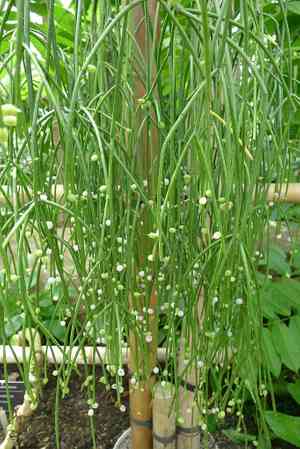
1
Rhipsalis does well with ample, filtered illumination.
2
Refrain from exposing Rhipsalis to direct sun to avoid scorching its foliage.
3
An eastern exposure offers ideal lighting conditions for Rhipsalis.
Optimal Illumination for Rhipsalis
Indirect Light Needs
The Rhipsalis thrives in bright, filtered light. Originating from forest understories, this plant is accustomed to lower light conditions. Position it where it gets ample light without direct sun exposure. Approximately 3-6 hours of partial sun is ideal for its growth and vigor.
Avoiding Direct Sun Exposure
Direct sunlight can be overly harsh for the Rhipsalis. Extended exposure to intense sun can lead to leaf scorching, appearing as brown, brittle edges or pale, burned patches. To prevent this, keep your Rhipsalis out of direct sun, especially during peak daylight hours.
Best Indoor Lighting
Indoors, a well-lit room with abundant indirect light suits your Rhipsalis best. Consider placing it near a window that provides filtered light. East-facing windows are particularly effective, offering gentle and beneficial morning sunlight.
Placement Strategies for Optimal Rhipsalis Light Exposure
Utilizing North and East-facing Windows
North and east-facing windows are excellent spots for your Rhipsalis. North-facing windows offer consistent, indirect light all day, while east-facing windows provide soft morning sun that is less likely to cause harm.
Modifying Light with Curtains
If your chosen spot receives too much light, consider using sheer curtains to diffuse and soften the sunlight. Curtains can help manage light intensity, creating a filtered effect that protects the Rhipsalis while still providing necessary brightness.
Seasonal Light Adjustments
Light levels fluctuate with the seasons. In winter, when natural light decreases, you might need to move your Rhipsalis to a brighter location. Conversely, in summer, ensure it remains shielded from harsher midday sun by adjusting its position or using window coverings.
Indicators of Light Imbalance in Rhipsalis
Signs of Insufficient Light
If your Rhipsalis isn't receiving enough light, you might observe it becoming leggy as it stretches toward available light. Other indicators include slower development, pale or yellowing foliage, and an overall unhealthy appearance.
Signs of Excessive Light
Too much light can cause sunburn on the Rhipsalis. Symptoms include bleaching, where leaves turn white or very light, and edges becoming brown or crispy. If these signs appear, relocate the plant to a less directly lit area.
Supplementing Natural Light with Artificial Sources
Selecting Appropriate Grow Lights
If your indoor environment lacks adequate natural light, you can supplement it with artificial lighting. Choose full-spectrum grow lights that mimic natural sunlight, providing the correct balance of blue and red light essential for plant health.
Light Duration and Intensity
For optimal growth, your Rhipsalis should receive about 12-16 hours of light daily under artificial lighting. Position the lights at a distance that prevents plant overheating; typically, 30-45 centimeters (about 1-1.5 feet) above the plant is ideal.



