How Much Sunlight Do Needle palm Need?
1
Needle palms flourish with moderate sun exposure, requiring approximately 3-6 hours of unfiltered light daily.
2
While adaptable to full sun, Needle palms favor a blend of light and shadow to prevent undue strain.
3
Indoor Needle palms might benefit from supplemental grow lights, particularly in colder seasons, to meet their light requirements.
Discovering the Needle palm's Native Environment
Original Locations and Climate
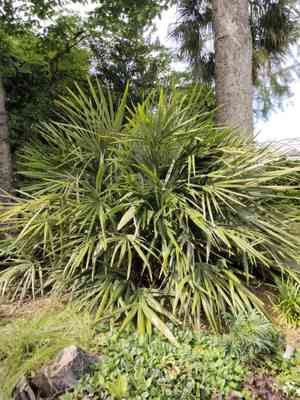
The Needle palm originates from the southeastern parts of the United States, flourishing in states such as Florida, Georgia, and Alabama. This region is typified by a warm, moist climate with moderate winters. These palms are accustomed to areas where they receive filtered light passing through the canopy of taller flora. This indigenous setting contributes to their preference for partial light exposure.
Growth Patterns in the Wild
In their natural surroundings, Needle palms are typically found beneath the canopy of woodlands and swampy areas. The ground in these locales is frequently well-drained yet remains damp, and the surrounding plant life offers dappled light. These growing conditions are perfect for Needle palms, allowing them to develop vigorously without the danger of sun damage or excessive shadowing.
Ideal Light Requirements for Needle palm
Direct vs. Diffused Light
While Needle palms can endure full sun, they flourish best with a mix of direct and indirect illumination. Direct sun for more than six hours can be too harsh, leading to stress and scorched foliage. Instead, providing approximately 3-6 hours of direct sunlight daily combined with periods of shade ensures optimal growth and vitality for these palms.
Preferred Duration of Light Exposure
For prime development, Needle palms require around 3-6 hours of direct sunlight daily. They are resilient and can adapt to varying light conditions, but they thrive most when they receive morning sun and afternoon shade. This balance helps them avoid the intense midday sun while still obtaining sufficient light for photosynthesis.
Indicators of Inadequate Light Exposure
Symptoms of Too Much Light
Excessive light can cause Needle palms to show signs of distress. Common indicators include leaves turning brown or yellow, leaf burn, and slowed development. If you observe these symptoms, consider offering more shade during the hottest parts of the day to shield your palm from excessive sun exposure.
Symptoms of Insufficient Light
Conversely, a lack of light can also negatively affect Needle palms. Symptoms of too little illumination include pale or elongated leaves, weak and spindly growth, and diminished vigor. Ensuring your palm receives a balanced amount of light is crucial for maintaining its health and appearance.
Adjusting Light for Indoor Cultivation
Utilizing Artificial Illumination
For indoor Needle palms, especially during the colder months, artificial lighting can be a valuable aid. Full-spectrum grow lights can supplement natural sunlight, ensuring your palm receives the necessary light for photosynthesis. Position the grow light about 30-60 cm (12-24 inches) above the plant, and provide 12-16 hours of light per day for optimal outcomes.
Placement Near Windows
Placing your indoor Needle palm near a south or east-facing window can help it obtain adequate light. Ensure the plant is not too close to the window to prevent leaf scorching, but near enough to benefit from direct morning sun. Employing sheer curtains can help diffuse the light, replicating the dappled sunlight of their native environment.
Seasonal Variations and Light Needs
Light Modification in Winter
During winter, the intensity and duration of sunlight diminish, which can impact indoor Needle palms. To adapt, increase the use of artificial lighting and ensure the plant is in a bright, well-lit spot. Periodically rotate the plant to ensure even light distribution and prevent any part of the plant from becoming weak due to insufficient light.
Managing Strong Summer Sun
In the summer, the sun's intensity is significantly higher, which can be detrimental to Needle palms. Provide some form of shade, such as a shade cloth or thoughtfully placed garden structures, to protect the palm from the harsh midday sun. Ensuring it receives morning sun and afternoon shade is key to effectively managing summer light.



