How Much Sunlight Do Indian hawthorn Need?
1
Indian hawthorn flourishes with ample sunlight, needing 6-8 hours of direct sun each day.
2
It can tolerate some shade, though blooming might be less abundant.
3
Observe the plant's leaves; a yellow hue may signal inadequate light exposure.
The Importance of Sunlight for Indian Hawthorn
Energy Production and Development
Sunlight is vital for the Indian hawthorn as it powers photosynthesis, the mechanism by which plants transform light into energy. With ample light, the plant can generate the energy needed for healthy development, leading to lush foliage and a strong plant structure.
Blossoming and Fruit Production
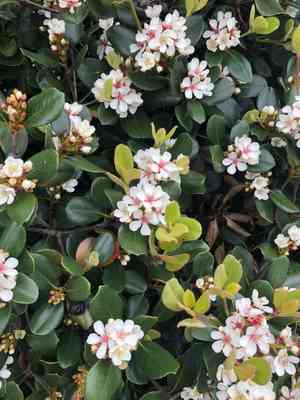
Sufficient sunlight is also essential for the Indian hawthorn to bloom and bear fruit. This plant is cherished for its lovely white to pink flowers and subsequent berry-like produce. Without enough sunlight, flowering can be sparse and overall plant health may suffer.
Ideal Sunlight Conditions for Indian Hawthorn
Full Sun vs. Partial Shade
For optimal development, Indian hawthorn prefers full sun, meaning it should receive at least 6 to 8 hours of direct sunlight daily. However, it can endure partial shade, especially in warmer climates, though it might produce fewer flowers and grow more slowly.
Seasonal Changes
Sunlight intensity and duration fluctuate with the seasons. During the extended days of summer, the Indian hawthorn will thrive in abundant sunlight. Conversely, the shorter days and reduced light levels of winter mean the plant will receive less sun. It's crucial to consider these variations when selecting a planting site.
Recognizing Sunlight Deficiency or Excess in Indian Hawthorn
Indicators of Insufficient Sunlight
A lack of sunlight can lead to several clear signs. The Indian hawthorn may display yellowing leaves, elongated stems (as it stretches towards a light source), and poor blooming. If these signs appear, consider moving the plant to a brighter location.
Indicators of Excessive Sunlight
While Indian hawthorn enjoys full sun, too much intense, direct light, particularly during peak summer, can cause leaf scorch and a general decline in vitality. Look for burned or crispy leaf edges and consider providing some afternoon shade if these symptoms emerge.
Optimizing Indian Hawthorn's Sunlight Exposure
Selecting the Right Location
Choosing the perfect spot for your Indian hawthorn is critical. Seek an area in your garden that gets maximum direct sunlight, avoiding places shaded by trees or structures. A south-facing position usually works well.
Adjusting Placement Throughout the Year
As sunlight patterns shift with the seasons, you might need to modify your plant's position or offer extra care. For instance, you can relocate potted Indian hawthorn plants to follow the sun, or use a garden light reflector to boost light exposure during darker months.
Common Questions About Indian Hawthorn Sunlight Needs
Can Indian Hawthorn Be Grown Indoors?
Indian hawthorn is generally not suited for indoor cultivation due to its significant sunlight requirements. Most indoor environments do not provide the 6-8 hours of direct sunlight it needs. However, if you have a very bright area like a sunroom, it might be possible with some experimentation.
What is the Minimum Sunlight Requirement?
The minimum sunlight requirement for Indian hawthorn is approximately 4-6 hours of direct light per day. Falling below this threshold can cause stress and impede flowering, as the plant won't be able to perform photosynthesis efficiently.



