How Much Sunlight Do Black oak Need?
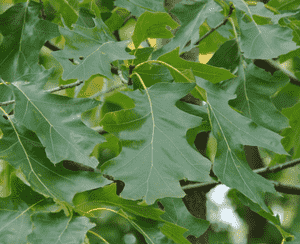
1
Black oak flourishes optimally in full sun, requiring a minimum of 6 hours of direct daily sunlight.
2
Although Black oak can endure partial sun, it might not achieve its maximum growth without sufficient light.
3
Variations in seasonal sunlight can impact your Black oak, so observe how the sun's trajectory shifts over the year.
Understanding Light Requirements for Black oak
Why Light is Crucial for Black oak
Light plays a vital role in the general well-being and development of your Black oak. It serves as the primary energy source for photosynthesis, the process where plants convert light into energy, fueling their growth and maturation. Without sufficient light, a Black oak might experience stunted development, weaker structure, and increased vulnerability to pests and diseases. Furthermore, light aids in chlorophyll formation, giving leaves their vibrant green hue and promoting healthy foliage.
Light Conditions Black oak Needs
For optimal development, Black oak trees require full sun conditions, meaning they should receive direct sunlight for at least 6 hours daily. This exposure allows them to maximize their photosynthetic processes. However, Black oak can endure partial sun or partial shade, which translates to approximately 3-6 hours of direct sunlight each day. While the tree can survive in these conditions, it may not thrive as it would under full sunlight.
Optimal Light Exposure for Black oak
Ideal Daily Light Hours for Black oak
To ensure your Black oak flourishes, aim to provide it with at least 6 to 8 hours of direct sunlight every day. Position your tree in an area where it can capture the morning and early afternoon sun, which tends to be less intense than the midday sun. This daily light dose is crucial for supporting the tree's comprehensive growth, including root development and leaf formation.
Seasonal Light Fluctuations
Light exposure can vary with the seasons. During summer, days are longer, and the sun's intensity is higher, offering ample opportunity for your Black oak to absorb the necessary light. In contrast, fall and winter months bring shorter days and lower sun intensity. It's essential to monitor these changes and adjust your tree's care as needed, possibly relocating it or managing surrounding foliage to ensure it receives adequate light throughout the year.
Potential Issues from Incorrect Light Exposure
Signs of Insufficient Light
If your Black oak doesn't receive enough light, you'll observe several clear indicators. The leaves may become pale or dull, and the tree might exhibit slower growth rates. Additionally, the branches may become leggy, reaching for more light, and the tree's overall health will decline, making it more susceptible to diseases and pests.
Consequences of Excessive Light
While Black oak trees thrive in full sun, overly harsh conditions can lead to sunburn on the leaves, characterized by brown or scorched spots. Extended periods of extreme heat and intense light can also stress the tree, causing leaf drop and reduced health over time. It's vital to ensure your Black oak is well-hydrated during heat waves to mitigate these potential problems.
Tips for Managing Light for Black oak
Positioning and Placement
Plant your Black oak in a spacious area where buildings, walls, or other trees won't obstruct the light. If feasible, choose an elevated spot that receives a good amount of morning light, as this can be particularly beneficial. Proper placement not only aids in daily light absorption but also reduces competition for light from nearby plants.
Using Shade and Filters
In regions with extremely hot summers, consider using shade cloths or planting your Black oak near taller, non-competitive trees that provide light dappled shade. This can help shield the tree from the harsh midday sun while still allowing ample light during other parts of the day. Additionally, mulching around the base can help retain soil moisture, alleviating the stress from intense light.



