How Much Sunlight Do English oak Need?
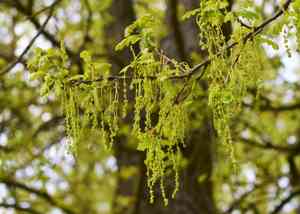
1
English oak performs optimally when exposed to a minimum of six hours of direct sunlight daily.
2
Excessive solar exposure can result in sunscald for English oak, identifiable by damaged bark and scorched foliage.
3
Insufficient light may cause stunted development and a reduced acorn yield in English oak trees.
Optimal Sunlight Requirements for English oak
Ideal Sunlight Hours per Day
For an English oak to develop robustly, it's crucial for it to receive complete sun exposure. This means getting a minimum of 6 hours of direct sunlight daily. Full light encourages lush foliage, strong trunk formation, and the development of acorns.
Seasonal Sunlight Variations
English oaks experience differing levels of solar exposure throughout the year. During spring and summer, they generally get more sunshine, which supports peak growth. In autumn and winter, sunlight diminishes, which is a natural cycle for these deciduous trees, allowing them to enter a dormant state.
What Happens If English oak Gets Too Much Sun?
Signs of Sunscald
While English oaks can tolerate full sun, excessive and prolonged exposure, particularly in very hot climates, can lead to sunscald. This condition is recognized by damaged bark, which might look cracked or discolored, and leaves that appear scorched or withered.
Preventive Measures
To prevent sunscald, ensure the English oak has sufficient soil moisture. Applying mulch can help retain ground moisture and keep the root system cool. In extremely hot conditions, temporary shading with a shade cloth can protect young trees until they can withstand direct sunlight.
What Happens If English oak Gets Too Little Sun?
Symptoms of Insufficient Sunlight
If an English oak doesn't receive enough sunlight, it can struggle to flourish. Indicators include stunted development, sparse leaves, and reduced acorn production. The foliage might also appear lighter in color, compromising the tree's overall health over time.
Improving Light Conditions
To increase sunlight exposure, consider trimming nearby plants that might cast shadows on the English oak. If feasible, relocating younger trees to a sunnier spot can ensure they receive the necessary light. Avoid planting in areas that are excessively shaded.
Best Locations to Plant English oak
Urban Settings
In city environments, planting an English oak in a spacious area like a park or large garden is perfect. Ensure the site has full sun exposure and is not near tall buildings or other structures that could create shade.
Rural and Forested Areas
In rural or woodland settings, plant English oaks where they can get maximum sun exposure, such as at the edge of open fields. Avoid densely wooded areas where the tree might be overshadowed by larger trees. Optimal sunlight enhances their natural growth and longevity.



