How Much Sunlight Do Chestnut oak Need?
1
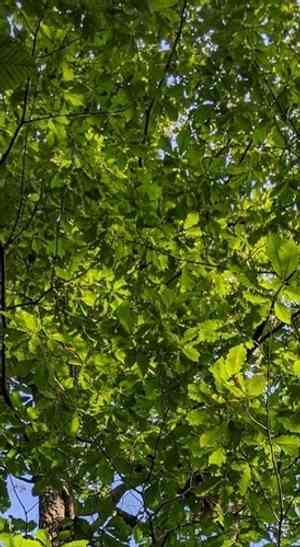
Chestnut oak flourishes optimally with a minimum of 6 hours of direct sunlight each day.
2
It can endure some shade, yet peak development occurs under full sun exposure.
3
Both too little and too much light can adversely affect the well-being of Chestnut oak.
The Importance of Sunlight for Chestnut Oak
Photosynthesis Mechanism
Sunlight is vital for the Chestnut oak as it serves as the primary energy source for photosynthesis, the process where the tree converts light into chemical energy. This energy powers the tree's growth, health, and survival. Insufficient sunlight hinders photosynthesis, affecting the tree's overall vigor.
Development and Growth
Sunlight is more than just energy; it's a signal that governs many aspects of the Chestnut oak's development and growth. From leaf expansion to sapling development, ample sunlight exposure ensures robust tree growth. A lack of sunlight can result in stunted growth and poor health.
Chestnut Oak's Sunlight Requirements
Optimal Daily Sun Exposure
The Chestnut oak ideally requires at least 6 hours of direct sunlight daily. This enables the tree to perform photosynthesis efficiently and develop strong and healthy. While it can survive in partial shade, full sun conditions are preferred for peak growth.
Seasonal Light Adjustments
While Chestnut oak benefits from consistent sunlight, seasonal changes should be considered. During summer, longer daylight hours are advantageous, whereas in winter, reduced sunlight is typically not an issue due to the tree's dormant state. Ensuring sufficient light, especially during the growing season, is crucial for the tree's well-being.
Best Sunlight Conditions
Prime Planting Locations
Plant your Chestnut oak where it can receive full sun for most of the day. Open areas away from structures, tall trees, and other obstructions are perfect. South-facing spots are particularly beneficial in the Northern Hemisphere for maximizing sun exposure.
Sun vs. Shade
Although Chestnut oak can endure some shade, consistent exposure to full sunlight promotes the best growth. Shade can lead to slower growth and may stunt the tree over time. It's best to minimize shade through careful site selection and management to ensure your tree gets the light it needs.
Consequences of Insufficient or Excessive Sun for Chestnut Oak
Indicators of Low Sunlight
If a Chestnut oak isn't receiving enough sunlight, you'll observe symptoms like sparse foliage, elongated stems reaching for light, and a pale color. Such trees may also become more vulnerable to diseases and pests due to weakened health.
Impacts of Too Much Sunlight
While Chestnut oak thrives in full sun, excessive intense sunlight, especially in very hot climates, can cause leaf scorch and stress the tree. Monitor your tree for signs of too much sun, such as browning or wilting leaves, and consider providing some shade during the hottest parts of the day.
Tips for Ensuring Adequate Sunlight for Chestnut Oak
Pruning and Trimming Practices
Regular pruning and trimming can help ensure your Chestnut oak receives sufficient sunlight. Removing lower branches and thinning out dense areas allows more light to penetrate the tree's canopy, promoting better overall health and growth.
Utilizing Reflective Materials
For trees in less-than-ideal lighting conditions, using reflective materials can enhance light exposure. Placing reflective surfaces like white stones or aluminum foil around the tree's base can redirect sunlight onto lower branches and leaves, boosting photosynthesis.



