How Much Sunlight Do Mongolian oak Need?
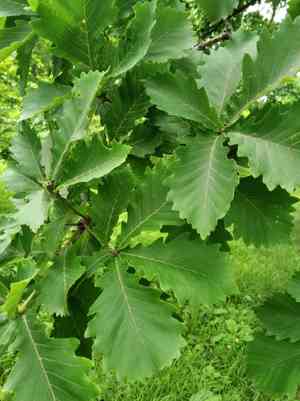
1
Mongolian oak flourishes when exposed to more than six hours of direct sun each day.
2
It can withstand some shade, but this is not optimal for peak development.
3
You may need to make seasonal modifications to maintain steady progress.
Ideal Sunlight Requirements for Mongolian Oak
Preferred Light Exposure
The Mongolian oak thrives under full sun, requiring over 6 hours of direct sunlight daily for robust growth. When designing your landscape, position this oak where it can absorb ample solar radiation throughout the day. Insufficient light may hinder its potential for growth and overall vitality.
Solar Intensity Considerations
While the Mongolian oak enjoys full sun, the intensity of light in its planting location is crucial. In areas with extremely strong sunlight, leaves can scorch, especially during the day's hottest period. Therefore, providing some afternoon shade or using mulch to conserve moisture and lower soil temperature is advantageous.
Seasonal Light Variations
Seasonal changes can impact the amount of sunlight your Mongolian oak receives. During summer, with its high sun, the tree will get all the direct light it needs. In winter, however, lower sun angles and shorter days may reduce light exposure. Optimal positioning for uninterrupted sunlight during its active growth period is vital for its development.
Potential Light-Related Problems for Mongolian Oak
Signs of Excessive Sunlight
Too much sun can harm the Mongolian oak. Symptoms include leaf scorch, appearing as brown or crispy leaf margins, and a generally wilted or burned look. To prevent this, employ shade cloths during peak summer months, especially in equatorial regions where sunlight is most intense.
Signs of Insufficient Sunlight
If a Mongolian oak lacks adequate sunlight, it may display stunted development, sparse foliage, and a general pale or yellow discoloration of its leaves. Partial shade can be tolerated, but ensuring the tree still receives ample indirect light, if not full sun, is critical for its well-being.
Optimizing Mongolian Oak Sunlight in Various Environments
Planting Site Recommendations
Selecting the correct location is paramount for your Mongolian oak. Ideally, plant it in an expansive area where it can receive unimpeded full sun from structures or other large trees. Ensure the soil offers good drainage and is nutrient-rich to support the tree's growth under its preferred light conditions.
Adaptation for Diverse Climates
In cooler climates, you might need to position your Mongolian oak to maximize its solar exposure. Conversely, in warmer regions, some afternoon shade could be necessary to prevent heat stress. Applying mulch to retain soil moisture and prevent overheating is particularly beneficial in hot climates.
Using Supplemental Lighting
Where natural sunlight is inadequate, particularly in winter, artificial lighting can be helpful. Employ grow lights that mimic natural sunlight to ensure your Mongolian oak gets the light it requires. Arrange these lights to provide coverage similar to the sun, ensuring consistent light exposure for the tree.
Common Questions Regarding Mongolian Oak Sunlight Needs
Can a Mongolian Oak Flourish in Complete Shade?
No, a Mongolian oak typically cannot thrive in full shade. It demands substantial direct sunlight—at least 6 hours daily. While it can endure partial shade, full shade will likely impede its growth and lead to health complications.
Is Morning or Afternoon Sun Preferable for a Mongolian Oak?
Morning sun is often more advantageous for a Mongolian oak as it tends to be less intense than afternoon sun, reducing the risk of leaf burn. However, consistent full sun exposure throughout the day is most ideal for its development. If you reside in an area with extremely hot afternoons, endeavor to provide some shade during those peak hours to protect the tree.
How to Safeguard a Mongolian Oak from Sunburn?
To shield a Mongolian oak from sunburn, ensure it avoids prolonged exposure to the harshest midday sun. Use mulch to maintain soil moisture and apply a temporary shade cloth during peak summer days if required. Planting shrubs or other trees that offer dappled shade can also help mitigate sunburn risk.



