How Much Sunlight Do White oak Need?
1
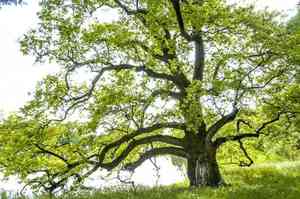
White oak trees flourish when exposed to direct sunlight for a minimum of six hours each day.
2
Insufficient light can impede the development and vitality of White oak trees, whereas too much sun may lead to scorched leaves.
3
White oak trees are able to withstand some shade, but their growth and maturation will be slower in less illuminated spots.
Why Does White oak Need Sunlight?
Photosynthesis and Energy Production
Sunlight is essential for the White oak tree, primarily due to photosynthesis. During this process, the tree transforms solar energy into power, which fuels its development and overall vitality. The leaves capture sunlight and convert it into chemical energy, stored as glucose. This energy is vital for the growth of roots, leaves, and branches.
Impact on Growth and Development
Sufficient sunlight influences the growth and structural integrity of White oak trees. Sunlight exposure promotes robust root development and sturdy trunk formation. Without adequate sunlight, these trees might exhibit stunted growth, reduced leaf size, and weaker structural integrity, making them more vulnerable to diseases and pests.
Ideal Sunlight Requirements for White oak
Optimal Daily Sunlight Hours
White oak trees ideally require full sun exposure, which amounts to a minimum of 6 hours of direct sunlight daily. Full sun encourages maximum photosynthesis, ensuring the tree produces enough energy for growth and development. If feasible, aim for more than 6 hours for the best outcomes.
Seasonal Adjustments
Seasonal variations can impact sunlight availability. During summer, trees naturally receive extended periods of sunlight, while winter can pose challenges due to shorter days and lower light intensity. Adjustments may be necessary, such as pruning nearby vegetation that could block sunlight or selecting a planting site that maximizes exposure during the growing season.
Signs of Too Much or Too Little Sunlight
Indicators of Sunlight Deficiency
When a White oak tree is not receiving enough sunlight, it displays signs like elongated or spindly branches, pale or yellowing leaves, and slowed growth. These symptoms suggest the tree is struggling to produce sufficient energy through photosynthesis.
Indicators of Excessive Sunlight Exposure
White oak trees exposed to excessive sunlight may show symptoms of leaf burn with scorched, brown, or dried edges. While full sun is ideal, too much intense sunlight, especially in extremely hot climates, can harm the foliage. Ensure the tree has adequate water to help it manage high sunlight conditions.
How to Ensure Proper Sunlight for Your White oak
Choosing the Right Planting Location
Selecting an optimal planting location for your White oak is critical. Aim to plant it in an area where it can receive at least 6 hours of direct sunlight daily. Avoid spots overshadowed by larger trees or structures. A south-facing location is typically best for maximum sun exposure.
Using Shade and Light Reflection
In regions with extremely harsh sunlight, creating some partial shade can help protect the tree from leaf burn. Use shade cloths during peak sun hours or plant the tree near reflective surfaces like walls that can bounce sunlight onto it. These measures can help manage sunlight exposure effectively.
Can White oak Tolerate Shade?
Shade Tolerance Levels
White oak trees can endure partial shade but will not flourish as well as in full sun. They prefer a mix of sunlight and shade, commonly found in forest understories. However, consistent shading can impede their growth and affect overall health.
Impact on Growth in Shaded Areas
In shaded areas, White oak trees may grow slower, with less dense foliage and weaker branches. The lack of sufficient sunlight limits photosynthesis, reducing the energy available for development. To ensure optimal growth, try to provide as much sunlight as possible, even in partial shade conditions.



