How Much Sunlight Do Formosa firethorn Need?
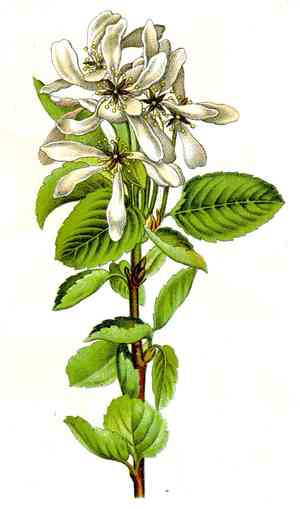
1
Formosa firethorn flourishes with over six hours of direct sun daily.
2
Although it can endure some shade, Formosa firethorn achieves peak development and berry yield in full sunlight.
3
Consider variations in daylight throughout the year and reposition the plant as needed.
Optimal Light Conditions for Formosa firethorn
Preferred Light Exposure
For robust development and vivid foliage, the Formosa firethorn needs ample sunshine. This means it should receive over six hours of direct sun daily. Optimal light conditions are crucial for the plant's overall health, bright berries, and lush green leaves. Position it where it can absorb sunlight for most of the day.
Advantages of Full Sun for Formosa firethorn
Extensive sun exposure benefits the Formosa firethorn in numerous ways. This light condition encourages dense growth, rich leaf coloration, and plentiful berry production. The striking red and orange berries of the Formosa firethorn are not only decorative but also attract birds, bringing vitality to your garden.
Tolerance for Partial Shade
While Formosa firethorn thrives in full sun, it can endure some shade. If placed in an area receiving about 3 to 6 hours of direct sunlight, you might observe slightly less dense foliage and fewer berries. Nevertheless, the plant will still survive and grow, demonstrating its adaptability to various garden spots.
Indicators of Incorrect Light Exposure
Impacts of Excessive Sunlight
Although Formosa firethorn flourishes in full sun, overly intense, prolonged exposure can lead to leaf burn and dehydration. Watch for signs like browning or curling leaves. Maintaining consistent watering during hot periods helps lessen these effects.
Signs of Insufficient Sunlight
When the Formosa firethorn doesn't receive enough sunlight, it may show poor growth, sparse foliage, and reduced berry yield. The plant might also appear elongated, as it stretches toward the light source. Moving it to a brighter location can help restore its vigor.
Addressing Light Problems
To resolve issues with improper light exposure, first, evaluate your plant's current light situation. If it's getting too much direct afternoon sun, consider providing partial shade with a garden umbrella or shade cloth. Conversely, if it lacks adequate light, reposition it to a sunnier spot where it can receive over six hours of uninterrupted sunlight.
Seasonal Light Considerations
Summer Light Needs
During summer, the Formosa firethorn benefits from long daylight hours, which promote vigorous growth. However, in extremely hot regions, offering some afternoon shade can prevent leaf scorching. An ideal location would ensure the plant gets morning sun while being protected from harsh midday rays.
Winter Light Requirements
In winter, sunlight can be less intense and available for fewer hours. Ensure your Formosa firethorn is placed where it can maximize the available light. If the plant is in a container, consider moving it to a spot that optimizes winter sun exposure or using reflective surfaces to direct light onto the plant.
Positioning Formosa firethorn for Optimal Light
Selecting the Best Garden Spot
The best location for your Formosa firethorn would be an area that receives full sun. A south-facing position is typically ideal as it will get the most sunlight throughout the day. Ensure no large trees or structures cast extended shadows over the plant.
Container Placement Advice
If cultivating Formosa firethorn in a container, place it in a sunny location, such as a patio or balcony that gets full sun. Containers make it easier to relocate the plant, ensuring it receives optimal sun exposure year-round. Monitor soil moisture regularly, as container plants can dry out faster, especially in full sun.



