How Much Sunlight Do Chinese wingnut Need?
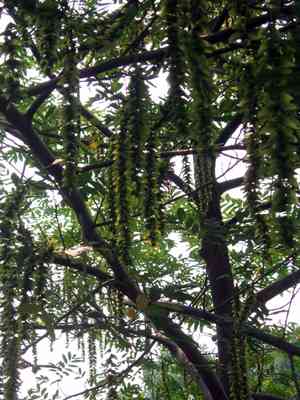
1
Chinese wingnuts flourish in areas with complete sun exposure.
2
For optimal growth, Chinese wingnuts require a minimum of 6-8 hours of direct sunlight each day.
3
An imbalance of light, either too little or too much, can negatively impact the well-being of the Chinese wingnut.
Ideal Light Requirements for Chinese Wingnut
Full Sun Necessities
The Chinese wingnut thrives best with full sun exposure, meaning it should receive unobstructed daylight for most of the day. Ample sunlight ensures the plant develops robust structure and rich foliage. Optimal planting locations are free from shadows cast by buildings or large trees, guaranteeing consistent full sun. Gardeners who site their Chinese wingnut in an uninterrupted sunny spot will cultivate a strong and flourishing specimen.
Partial Shade Acceptability
While full sun is preferred, the Chinese wingnut can also endure partial shade. This adaptability is useful for gardeners with areas receiving filtered or dappled light. However, it's not a full shade plant; significant direct sun is vital for its well-being. In partial shade, ensure the plant gets at least 4-6 hours of sunlight to prevent issues like stunted development and sparse leaves from insufficient light.
Daily Light Hours for Chinese Wingnut Development
Optimal Sunlight Duration
For prime growth and vigor, the Chinese wingnut requires a minimum of 6-8 hours of sunlight daily. This duration enables efficient photosynthesis, leading to vigorous growth and vivid foliage. Plan your garden layout to meet this light quota by placing the plant in well-lit areas where it can enjoy both morning and afternoon sun.
Seasonal Light Adjustments
The Chinese wingnut's light demands might fluctuate slightly with the seasons. During its active growth phase, typically spring and summer, the plant benefits from longer daylight periods. Conversely, in autumn and winter, even with shorter daylight, maximizing available sunlight is crucial. If your region experiences very low winter sun, consider supplemental lighting to ensure continued adequate light for the Chinese wingnut.
Impact of Inadequate or Excessive Light on Chinese Wingnut
Symptoms of Light Deficiency
A Chinese wingnut not receiving sufficient light will show clear signs. Early indicators include leggy or stretched growth, characterized by long, thin stems. Leaves may become pale or yellow, and overall development can slow. Flowering, or inflorescence, may also be negatively affected, resulting in fewer or no blossoms.
Indicators of Light Overexposure
Conversely, too much sunlight, especially coupled with high temperatures, can cause overexposure problems. The Chinese wingnut may develop scorched or sunburned leaves, appearing as brown patches. Prolonged overexposure can also lead to leaf drop and dehydration. Monitoring and adjusting the plant's light intake can help prevent these issues.
Achieving Ideal Balance for Healthy Growth
Striking the right balance is essential for the Chinese wingnut to thrive. Ensuring the plant receives ample sunlight while safeguarding it from extremes will boost its health and vitality. Attentive gardening, including repositioning if needed and using garden covers or shades when appropriate, helps maintain the optimal light balance.
Positioning Your Chinese Wingnut for Best Light
Prime Garden Locations
The best spot for your Chinese wingnut is where it gets unobstructed, direct sunlight for most of the day. Ideally, the southern or southeastern parts of your garden are excellent choices. These areas typically offer extended daylight hours, crucial for the plant's development. Placing your plant here ensures it receives the most natural sunlight possible.
Avoiding Common Positioning Errors
A frequent mistake gardeners make is placing the Chinese wingnut in shaded zones, beneath large trees, or too near structures that block sunlight. Always check for potential shadows throughout the day to prevent accidental shading. Another error is underestimating the young plant's need for direct light; even saplings require significant sunlight to establish a strong growth pattern.
Using Shade and Sun Protection
To mitigate the effects of intense sunlight, particularly during peak summer, consider employing shade cloths or sun covers. These tools can shield the Chinese wingnut from the harshest midday rays. Similarly, if your plant is establishing or recovering from transplanting, temporary light-diffusing covers can aid in its acclimatization to full sun without causing sunburn or stress.
FAQ: Chinese Wingnut Sunlight Requirements
Can the Chinese wingnut survive in complete shade?
No, the Chinese wingnut cannot survive in complete shade. This plant requires substantial direct sunlight for effective photosynthesis. Placing it in a fully shaded area will result in poor growth, a weak structure, and potentially the death of the plant.
How do I identify if my Chinese wingnut is getting too much sun?
If your Chinese wingnut is receiving excessive sun, you'll observe symptoms like scorched, brown patches on its leaves, wilting, or leaf drop. These indications suggest that overexposure is causing stress, and it might be necessary to provide some shade during the hottest parts of the day.
What actions should I take if my Chinese wingnut lacks sufficient sunlight?
If your Chinese wingnut isn't getting enough sunlight, consider moving it to a sunnier location in your garden. Pruning back overhanging branches or removing other obstructions that cast shadows can also help. If relocation isn't feasible, temporary supplementary artificial light can be beneficial to boost its light intake.



