How Much Sunlight Do Bird cherry Need?
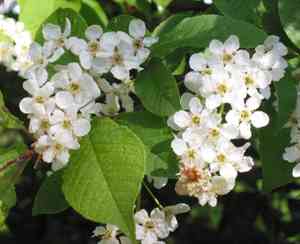
1
Bird cherry flourishes optimally with a minimum of 6 hours of direct sun each day.
2
Insufficient light can result in elongated stems and reduced bloom production.
3
Careful trimming can enhance the amount of sunlight reaching your Bird cherry.
Ideal Light Conditions for Bird Cherry
Full Sun or Partial Shade?
The Bird cherry (Prunus padus) adapts well to both full sun and partial shade. However, for peak growth and blooming, it prefers full sun exposure. Ideally, it should receive at least 6 hours of direct sunlight daily. This provides ample energy for vigorous growth and abundant flowers. While it tolerates some shade, excessive shade can reduce its flowering and overall vigor.
Seasonal Light Requirements
The Bird cherry's light needs can change with the seasons. During spring and summer's active growth, the plant benefits from more intense and prolonged sunlight. This aids photosynthesis and energy storage, supporting flowering and fruiting. In fall and winter, light needs decrease, but sufficient illumination remains vital for plant health. Monitoring seasonal shifts and adjusting placement helps maintain proper balance.
Sunlight's Impact on Bird Cherry Development
Photosynthesis and Energy Creation
Sunlight is crucial for the Bird cherry's photosynthesis process. This process converts light energy into chemical energy, fueling the plant's growth and development. Adequate sunlight ensures the Bird cherry produces enough energy for robust growth, healthy foliage, and the production of flowers and fruits.
Effect on Blooming and Fruiting
The amount of sunlight directly influences the Bird cherry's flowering and fruiting. With ample sunlight, the plant produces a beautiful display of fragrant flowers, typically in spring. This leads to better fruit production later in the season. Insufficient sunlight can result in fewer flowers and, consequently, less fruit. Ensuring the Bird cherry gets plenty of sun is key to maximizing its ornamental and fruit-bearing potential.
How to Ensure Proper Sunlight Exposure
Selecting the Right Spot
To meet the Bird cherry's sunlight needs, choosing the correct planting location is essential. Pick a spot that receives abundant sunlight throughout the day, ideally an area with southern or western exposure. Avoid planting too close to taller trees or structures that might cast significant shadows and limit light access.
Utilizing Reflective Surfaces
Reflective surfaces, such as light-colored walls or garden decorations, can help increase the Bird cherry's sunlight exposure. These surfaces bounce extra light onto the plant, ensuring it receives enough illumination, especially in partially shaded areas. This technique is particularly useful for garden spaces with limited direct sunlight.
Pruning for Enhanced Light Access
Pruning is an effective method to improve sunlight penetration to the Bird cherry's inner branches. Regularly trim back overgrown or densely-packed branches to allow light to reach the plant's lower and inner parts. Pruning not only enhances light access but also promotes better air circulation, reducing disease risk.
Indicators Your Bird Cherry Needs More Light
Leaf Color Changes
One of the first signs your Bird cherry may lack sufficient light is leaf discoloration. Leaves might turn yellow or pale, indicating the plant struggles with efficient photosynthesis. This can often be fixed by moving the plant to a sunnier spot or removing light-blocking obstructions.
Stretched Growth Patterns
Another symptom of insufficient sunlight is leggy or elongated growth. The Bird cherry will stretch towards any available light source, resulting in long, thin stems. This not only looks unappealing but also weakens the plant's structure. Ensuring the plant gets ample sunlight helps maintain a compact and strong growth habit.
Reduced Flower and Fruit Yield
If your Bird cherry isn't flowering or fruiting as expected, it could be due to inadequate sunlight. Less light means less energy for the plant to dedicate to reproductive processes. By increasing the amount of sunlight the plant receives, either by relocating it or pruning nearby plants, you can help boost its flowering and fruiting capabilities.



