How Much Sunlight Do Chickasaw plum Need?
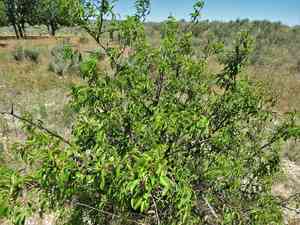
1
Chickasaw plum flourishes optimally in abundant sunlight, requiring a minimum of 6-8 hours of direct sun each day.
2
Chickasaw plum can endure some dappled light, but excessive shade might impede its development and fruit yield.
3
Trim your Chickasaw plum consistently to guarantee sufficient light exposure for all sections of the plant.
Optimal Light Conditions for Chickasaw Plum
Full Sun vs. Partial Shade
When growing Chickasaw plum, achieving the correct balance of light exposure is vital. This resilient plant flourishes in full sun, meaning it should get at least 6-8 hours of direct sunlight daily. Full sun conditions encourage robust development and a plentiful harvest of the small, sweet-tart plums this tree is known for. However, in exceptionally hot climates, your Chickasaw plum might benefit from some partial shade during the warmest part of the day to prevent leaf scorch. Partial shade is acceptable, though it may decrease the plant's overall fruit yield and growth rate. Generally, more sunlight leads to superior outcomes.
Daily Light Requirements
Ensuring your Chickasaw plum receives adequate sunlight is critical. Target approximately 6-8 hours of direct sunlight each day. If you can provide even more light, that's often preferable, provided the plant doesn't exhibit signs of overexposure. Morning sun is especially advantageous as it aids in drying dew from leaves, lowering the risk of fungal diseases. Position your plant where it won't be overshadowed by larger trees or structures.
How to Ensure Proper Light for Chickasaw Plum
Selecting the Right Spot
When planting a Chickasaw plum, choosing the correct location is half the battle. Seek an area in your garden that receives uninterrupted sunlight for most of the day. A south-facing position, for instance, often captures maximum sunlight. Avoid placing it too near larger trees or buildings that could cast shadows over the plant during crucial sunlit hours. A strategic spot provides your Chickasaw plum with the best foundation to grow and thrive.
Utilizing Reflective Mulch
An additional technique to ensure your Chickasaw plum gets sufficient light involves using reflective mulch. This type of mulch directs light upwards into the plant, improving light penetration. Reflective mulches can be particularly helpful in partially shaded areas by maximizing available light. Apply the mulch around the plant's base, but avoid covering the trunk directly to prevent rot and pest issues.
Pruning for Light Access
Pruning is a vital aspect of ensuring your Chickasaw plum receives ample sunlight. Regular pruning helps maintain an open canopy, allowing light to reach interior branches and lower sections of the tree. Remove any dead, diseased, or crossing branches, and thin out dense areas to enable better light and air circulation within the canopy. Pruning not only aids in light penetration but also enhances overall tree health and fruit production.
What Happens if Chickasaw Plum Gets Too Much or Too Little Light?
Signs of Sun Damage
Excessive sunlight can cause sun damage, even in a sun-loving plant like Chickasaw plum. Watch for symptoms such as scorched, dry, or bleached leaves. If you observe these signs, consider providing some midday shade or relocating potted plants to a slightly shadier spot. Optimal sun exposure with some afternoon shading can help reduce the risk of sun damage.
Symptoms of Insufficient Light
Conversely, inadequate sunlight can also cause problems for your Chickasaw plum. Symptoms typically include leggy growth, fewer blooms, and reduced fruit production. Leaves may appear darker green than usual, and stems might become elongated as the plant stretches towards available light. Addressing light deficiency by moving the plant to a sunnier location can significantly improve its health and yield.
Adjusting Light Exposure
Adjusting light exposure is crucial for maintaining a healthy Chickasaw plum. If your plant is getting too much sun, adding some shade by temporarily using a garden umbrella or planting it near taller shrubs can help. For insufficient light, trim back any surrounding vegetation that might be blocking the sun. Regularly monitor the plant's response and make gradual adjustments as needed for optimal growth.
Seasonal Light Considerations for Chickasaw Plum
Spring and Summer Requirements
During the active growth seasons of spring and summer, Chickasaw plum demands the most sunlight. Aim to provide at least 6-8 hours of direct sun daily. These months are critical for flowering and fruit set; thus, optimal sunlight is essential for abundant fruit production. Regularly check if the plant canopies are not overly dense to ensure maximum light penetration.
Fall and Winter Adjustments
As days shorten in fall and winter, sunlight naturally diminishes. While Chickasaw plum enters a dormant period and doesn't require as much sunlight, maintaining some light exposure prevents stress. In areas with mild winters, you might still prune to maintain an open canopy and remove any dead wood. For harsh winter regions, consider protective measures like burlap windbreaks to lessen the severe effects of winter.



