How Much Sunlight Do American plum Need?
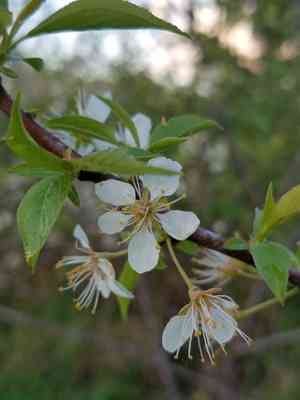
1
American plum flourishes optimally with more than 6 hours of direct sun each day.
2
American plum can endure some shade, though this might impact its fruit yield.
3
Indications of insufficient light involve yellowed leaves and thin growth.
Grasping Sunlight Requirements for American plum
Why Light is Vital for American plum
Sunlight is crucial for the American plum's development and vitality. This deciduous tree blossoms in spring and yields fruit in late summer, both demanding ample energy. Sunlight provides the necessary energy for photosynthesis, which in turn nourishes the plant. Without sufficient sunlight, the growth, blooming, and fruiting of the American plum would be severely hindered.
Photosynthesis in American plum
Photosynthesis is the natural process where plants transform sunlight, water, and carbon dioxide into glucose and oxygen. For the American plum, photosynthesis not only supplies the energy needed for growth but also influences the fruit's taste and quality. A well-lit environment ensures the tree's leaves can efficiently perform photosynthesis, leading to robust growth and plentiful fruit.
Ideal Sunlight Conditions for American plum
Full Sunlight Needs
The American plum thrives in full sun, meaning it requires over 6 hours of direct sunlight daily. Placing the tree in a location where it can receive consistent sunlight throughout the day will foster healthy growth and peak fruit production. In the northern hemisphere, a south-facing spot is often perfect.
Impacts of Partial Shade on American plum
While the American plum can endure partial shade, it's important to note that less sunlight can result in fewer blossoms and, consequently, less fruit. Furthermore, inadequate sunlight might lead to leggy growth and a weaker tree structure. For those in areas with less sunlight, selecting a sunnier location can alleviate some of these effects.
Indicators of Insufficient or Excessive Sunlight in American plum
Symptoms of Light Deficiency
Signs that your American plum isn't receiving enough sunlight include yellowing leaves, sparse foliage, and poor flowering. If you observe these symptoms, consider moving the tree or trimming nearby plants that might be casting too much shade.
Effects of Overexposure to Sunlight
Conversely, too much sunlight can also be harmful to the American plum. Excessive sun exposure can cause leaf scorch, where the leaves turn brown and dry out. To prevent this, ensure the tree is adequately hydrated, especially during hot summer months.
Advice for Managing Sunlight for Optimal Growth
Positioning Your American plum
Strategic placement of your American plum is crucial for managing its sunlight exposure. Aim for a spot that gets full sun with some afternoon shade to shield it from extreme heat. In regions with intense sunlight, consider planting it where it can benefit from some natural shade during the hottest parts of the day.
Utilizing Artificial Light for American plum
In less sunny regions or indoor environments, artificial lighting can supplement the natural light your American plum receives. Grow lights that mimic the full spectrum of sunlight can be advantageous. Position the lights to ensure even coverage, and set timers to provide consistent light exposure daily.



