How Much Sunlight Do Elephant bush Need?
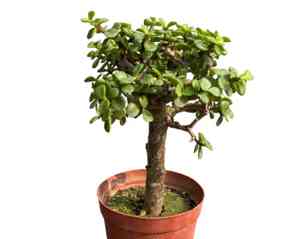
1
Elephant bushes flourish with 3-6 hours of filtered sunlight daily.
2
These plants are adaptable to full sun or partial shade, offering flexible cultivation choices.
3
Indoor Elephant bushes thrive under ample, diffused light for best development.
Optimal Light Conditions for Elephant Bush
Full Sun Exposure
The Elephant bush adapts well to various light levels. While it thrives naturally in warm, bright settings, it tolerates full sun exposure quite effectively. This means positioning your Elephant bush where it receives ample direct sunlight for most of the day is advantageous. However, gradual acclimatization is crucial to prevent sun damage.
Partial Shade Tolerance
A key benefit of the Elephant bush is its capacity to endure partial shade. This makes it a superb option for gardens with diverse light conditions. In partial shade, the Elephant bush will still develop well, though its growth rate might be somewhat slower compared to those in full sun. Aim for at least 3-6 hours of daily sunlight for peak health.
Indoor Light Requirements
For indoor cultivation, Elephant bushes prefer bright, indirect light. Placing them near a south-facing window where they can receive abundant sunlight without the risk of scorching is perfect. If natural light is insufficient, you can supplement with grow lights to provide the necessary illumination for robust development.
Understanding Seasonal Light Needs
Spring and Summer Requirements
During the brighter months of spring and summer, the Elephant bush flourishes in full sun. This period of intense light promotes vigorous growth and vibrant foliage. Ensure consistent watering, as warmer temperatures and full sun can increase the plant's hydration demands.
Fall and Winter Adjustments
As daylight hours decrease in fall and winter, modifications to your Elephant bush's light exposure are essential. If the plant is indoors, consider moving it to maximize daylight exposure or use grow lights to offset the reduced natural light. Outdoor Elephant bushes can be relocated to a sunnier spot if feasible, or simply monitored for signs of light deficiency.
Indicators of Improper Light Exposure
Symptoms of Excessive Sunlight
When exposed to too much sunlight, Elephant bushes can suffer from sunburn. Signs include scorched leaves, which may turn brown and brittle. To alleviate this, provide some afternoon shade, especially during peak sunlight hours, and ensure the plant is not abruptly moved from low light to intense sunlight without prior adjustment.
Symptoms of Insufficient Sunlight
If your Elephant bush isn't receiving enough light, you'll observe it becoming leggy, with stems stretching towards the light source. Leaves might also become pale and drop. To correct this, increase light exposure either by moving the plant to a brighter location or by utilizing supplemental lighting.
Tips for Optimizing Elephant Bush Light
Choosing the Right Location
Selecting the ideal spot for your Elephant bush is vital. Outdoors, an east or south-facing position is perfect. Indoors, place the plant near windows that receive ample light but avoid direct contact with harsh afternoon sun to prevent leaf damage.
Utilizing Grow Lights
Grow lights are excellent for supplementing natural light, especially for indoor Elephant bushes. Use LED or fluorescent grow lights to mimic the sun's spectrum. Position these lights approximately 30-45 centimeters (12-18 inches) above the plant, and ensure they are on for about 12-14 hours daily to support healthy growth.
Seasonal Position Adjustments
As seasons change, so too should your Elephant bush's position. In winter, move it closer to light sources to compensate for shorter days. Conversely, during intense summer months, providing some shade or relocating the plant to avoid the harshest afternoon sun can protect its leaves and ensure steady growth.



