How Much Sunlight Do Black poplar Need?
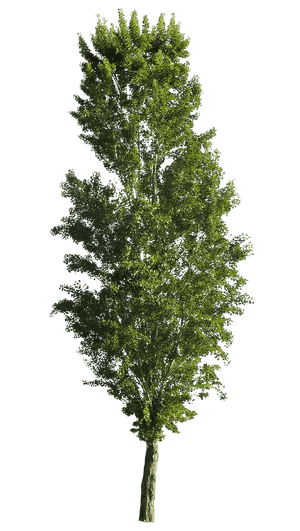
1
Black poplar trees flourish when exposed to at least 6 hours of direct sunlight each day.
2
They can endure some shade, though full sun is more beneficial.
3
Seasonal changes may alter light requirements, necessitating modifications for best development.
Understanding Light Requirements for Black Poplar
Ideal Light Conditions
The Black poplar, known for its impressive stature and dense foliage, needs abundant light to flourish. Ideally, it should receive a minimum of 6 hours of direct sun daily. This provides the essential energy for photosynthesis, fostering robust growth and strong root and branch development.
Full Sun vs. Partial Shade
While the Black poplar thrives in full sun, it can endure some partial shade. However, extended periods in shaded areas can hinder its growth rate and overall vitality. Full sun exposure is best for its leaf color, vigor, and disease resistance.
Seasonal Light Variations
Throughout the year, the sun's angle and duration change, impacting the light your Black poplar receives. Summer's long daylight hours typically offer ample light. Conversely, shorter winter days might necessitate repositioning or light amplification methods to ensure continued health.
Positioning Your Black Poplar for Maximum Light
Selecting the Best Spot
Choosing the correct location for your Black poplar is crucial. Aim for an open space free from large structures or other trees that could cast shadows. South-facing areas of properties, where sunlight is more consistent, are ideal.
Influence of Nearby Structures
Buildings, fences, and other constructions can significantly affect the amount of light your Black poplar gets. These obstructions can create shaded zones, potentially limiting the tree's growth. Be aware of shadow patterns throughout the day when deciding on a planting site.
Adapting to Seasonal Changes
As seasons shift, so does the sun's trajectory. In winter, you might need to prune surrounding plants or even move potted trees to maximize light exposure. Monitoring how sunlight changes during the year can help you make these necessary adjustments.
Signs Your Black Poplar Lacks Sufficient Light
Common Symptoms of Light Deficiency
If your Black poplar isn't getting enough light, you'll observe several clear indicators. These include slower growth, pale or yellowing leaves, and sparse foliage. Weaker branches and a less dense canopy also signal inadequate light.
Distinguishing Light from Nutrient Issues
It's important to determine if your Black poplar's problems stem from insufficient light or nutrient deficiencies. Nutrient issues often manifest as specific leaf discoloration patterns or stunted growth, which differ from the more general symptoms of light shortage.
Corrective Actions
Once you confirm light is the problem, implement corrective measures such as trimming nearby plants or moving the tree to a sunnier location. If relocating isn't feasible, consider installing reflectors to indirectly boost light exposure.
Can a Black Poplar Receive Too Much Light?
Identifying Light Overexposure
Surprisingly, even sun-loving trees like the Black poplar can suffer from excessive direct sunlight. Signs of overexposure include scorched leaves, wilting during peak sun hours, and dry, brittle branches.
Protective Measures Against Overexposure
To shield your tree from too much sun, consider using shade cloths during intense periods or planting it near other trees that offer temporary shade. Installing an irrigation system can also help counteract the drying effects of abundant sun.
Maintaining Optimal Light Balance
Achieving the right light exposure is key. Ensure your Black poplar gets enough light without being subjected to the harshest midday sun. Regular observation and minor adjustments can help maintain this ideal balance throughout the year.
Frequently Asked Questions About Black Poplar and Light
What Is the Ideal Daily Light for a Black Poplar?
The optimal daily light for a Black poplar is approximately 6 to 8 hours of direct sunlight. This range ensures the tree receives ample energy for its vigorous growth and disease resistance.
Can a Black Poplar Thrive in Low-Light Conditions?
While the Black poplar can survive in partial shade, low-light conditions are far from ideal. Extended exposure to insufficient light will make the tree susceptible to health problems and stunted development.
How Does Black Poplar Compare to Other Poplars in Light Needs?
Compared to other poplar varieties, the Black poplar has moderate light requirements. While some poplars can manage with minimal light, the Black poplar prefers strong sunlight for optimal growth, placing it in the mid-range among its relatives.



