How Much Sunlight Do Eastern cottonwood Need?
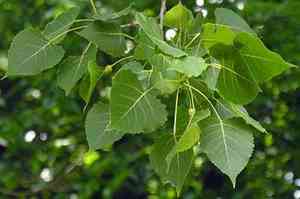
1
Eastern cottonwood flourishes optimally with a minimum of 6 hours of direct solar exposure daily.
2
This tree endures some shade, yet achieves stronger growth in full sun environments.
3
Light-reflecting ground cover can boost the sun exposure for Eastern cottonwood specimens.
Grasping Light Requirements for Eastern cottonwood
Photosynthesis and Development
Light is vital for the photosynthesis process in Eastern cottonwood, which is key for its growth and maturation. Photosynthesis enables the tree to transform light energy into chemical energy, supplying the nutrients needed to sustain its well-being. Sufficient light ensures the Eastern cottonwood has the energy to reach its full potential, producing abundant foliage and sturdy limbs.
Optimal Light Intensity
For Eastern cottonwood, ideal light intensity means receiving full sun exposure, defined as a minimum of 6 hours of direct sunlight daily. Such exposure allows the tree to photosynthesize efficiently, promoting superior growth and overall vitality. Aim to plant the tree where it can receive maximum sunlight throughout the day, avoiding excessive shade.
Prime Locations for Planting Eastern cottonwood
Full Sun vs. Partial Shade
While Eastern cottonwood can endure some partial shade, it flourishes best in full sun conditions. Placing the tree where it can receive 6 or more hours of direct sunlight will ensure robust growth. Partially shaded areas might hinder growth and diminish the tree's overall health and size.
Perfect Soil and Light Conditions
When selecting a planting site for Eastern cottonwood, it's crucial to choose a spot with well-drained soil and ample sunlight. The tree prefers loamy soil that retains moisture without becoming waterlogged. Ensure the chosen area provides a balance of sunlight and the correct soil conditions to support the tree's development.
Impacts of Insufficient Sunlight on Eastern cottonwood
Indicators of Too Little Sunlight
If Eastern cottonwood doesn't receive enough sunlight, it may show signs like slow growth, sparse leaves, and weak branches. The foliage might become pale or yellow, indicating a lack of chlorophyll production due to inadequate light. Observing these signs can help you adjust the tree's environment as necessary.
Indicators of Too Much Sunlight
Conversely, excessive sunlight, especially in extremely hot and dry conditions, can cause the leaves of Eastern cottonwood to scorch, leading to brown spots and leaf drop. Providing some protection during peak sunlight hours in particularly hot climates may help alleviate this issue.
How to Guarantee Adequate Sunlight for Eastern cottonwood
Choosing the Correct Planting Spot
Selecting the appropriate location for planting is essential to ensure Eastern cottonwood receives sufficient sunlight. Opt for an open area free from larger trees or structures that might cast long shadows. Ensure the spot offers at least 6 hours of direct sunlight daily to support healthy growth.
Utilizing Reflective Mulch
Reflective mulch can be an excellent tool to boost sunlight exposure for Eastern cottonwood. This type of mulch reflects additional light onto the tree, helping to increase the amount of light reaching the lower branches and leaves. It's particularly beneficial in areas where full sunlight might be somewhat limited.
Trimming Nearby Vegetation
Regularly pruning nearby plants and trees can help ensure Eastern cottonwood receives the most sunlight possible. Trimming back branches and foliage that overshadow the tree can prevent them from blocking essential light, allowing your cottonwood to thrive without competition for sunlight.
Seasonal Light Variations for Eastern cottonwood
Spring and Summer Light Needs
During spring and summer, Eastern cottonwood benefits from longer daylight hours and more intense sunlight. This period is crucial for the tree's growth, as abundant light supports vigorous photosynthesis, leading to lush, green foliage and strong branches. Maximize sunlight exposure during these peak growing seasons.
Fall and Winter Light Adjustments
In fall and winter, sunlight levels naturally decrease, and the Eastern cottonwood enters a dormant period. While the tree requires less sunlight during these months, it's still important to ensure it gets adequate light to maintain health. Placing reflective mulch around the tree can help capture and reflect the weaker winter sunlight.



