How Much Sunlight Do Pickerelweed Need?
1
Pickerelweed flourishes optimally with ample sunlight, meaning more than six hours of direct sun each day.
2
Although Pickerelweed can endure some shade, providing steady light exposure is crucial for peak development and to prevent problems.
3
Reposition your Pickerelweed as seasons change to guarantee it receives adequate sunlight throughout the year.
Ideal Light Conditions for Pickerelweed
Preferred Sun Exposure
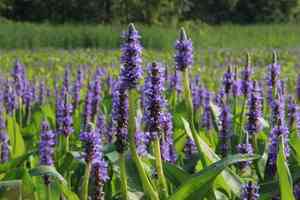
Pickerelweed flourishes in unfiltered sunlight, meaning at least six hours of direct sun daily. Placing the plant where it gets abundant light promotes robust, vibrant development. Full solar exposure encourages the colorful, spike-like flower clusters typical of Pickerelweed.
Optimizing Light for Peak Growth
Though full sun is preferred, Pickerelweed can also endure partial sun. Partial sun means the plant receives three to six hours of sunlight each day. If full sun isn't an option, ensure your Pickerelweed gets enough light without being overshadowed by taller plants or structures. Balancing light helps sustain its vigor and avoids spindly growth.
Effects of Excessive Sun on Pickerelweed
Indicators of Sunburn
Excessive sunlight can result in sunburn, a condition where the Pickerelweed's leaves become scorched and discolored. Watch for signs of bleaching, browning, or even crisp edges on the foliage, indicating the plant is receiving too much sun.
Preventing Overexposure
To prevent sunburn, ensure your Pickerelweed plant has access to sufficient water, as dehydration can worsen the effects of too much sun. If needed, consider using a shade cloth or positioning the plant where it receives morning sun and afternoon shade to avoid intense midday rays.
Effects of Insufficient Sun on Pickerelweed
Signs of Low Light
Inadequate sunlight can impede Pickerelweed's development. Indicators include slower growth, pale or yellowing leaves, and fewer blossoms. Without enough light, the plant may become leggy, extending towards light sources.
Ensuring Sufficient Light
To guarantee your Pickerelweed receives enough sunlight, place it in a spot that gets midday sun, which is the most intense and bright. Regularly observe the plant and, if necessary, trim nearby foliage that might cast shadows.
Tips for Placing Pickerelweed for Optimal Light
Selecting the Correct Location
Choose a planting location where your Pickerelweed will receive appropriate sunlight exposure. Pond edges or areas close to water sources often offer the correct light conditions and moisture levels for prime plant health.
Adjusting Placement with Seasonal Changes
As seasons shift, the sun's angle and intensity will change. In spring and summer, make sure your Pickerelweed gets ample direct sunlight. During fall and winter, if plants are grown indoors, position them near south-facing windows to maximize light exposure.
How to Supplement Sunlight for Indoor Pickerelweed
Utilizing Artificial Illumination
If cultivating Pickerelweed indoors, you might need to augment natural sunlight with artificial light. Employ full-spectrum grow lights that mimic natural sunlight to deliver the necessary light spectrum for growth.
Light Exposure Duration
Aim to provide your indoor Pickerelweed with approximately 12-14 hours of light daily. Timers can be helpful to maintain a consistent lighting schedule, ensuring the plant receives adequate exposure and thrives indoors.
Monitoring Plant's Reaction
Regularly observe your indoor Pickerelweed for signs of stress or suboptimal growth. Adjust the lights' position or the duration of light exposure based on the plant's response to maintain a healthy growth environment.



