How Much Sunlight Do Mayapple Need?
1
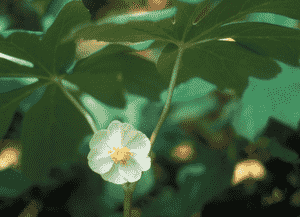
Mayapple flourishes optimally in dappled light, getting approximately 3-6 hours of sun each day.
2
Excessive direct sun exposure can lead to leaf damage and scorching, harming the plant's vitality.
3
A steady mix of light and shadow supports Mayapple's vigorous growth and flower production.
Understanding Mayapple Sunlight Requirements
Ideal Sun Conditions
For peak development, Mayapple needs partial sun exposure. This means it should receive roughly 3-6 hours of daylight daily. Ideally, this light should be diffused or gentle morning sun, not intense afternoon rays. In its natural setting, Mayapple typically grows beneath the protective cover of larger trees, getting just the right amount of filtered sunlight to flourish.
Why Partial Shade is Important
Mayapple is a forest plant accustomed to the light conditions found on the woodland floor. Partial shade is vital because it replicates the natural environment where these plants thrive. Too much direct sunlight can stress the plant, leading to scorched leaves and poor development. Ensuring your Mayapple gets partial shade will help maintain its lush foliage and vigorous growth.
Seasonal Variations in Sunlight Needs
Mayapple's light requirements can change with the seasons. In early spring, when the tree canopy above is not fully formed, Mayapple can tolerate more light. However, as summer arrives and trees are in full leaf, the increased shade is beneficial. It's essential to monitor your plant throughout the year and adjust its placement or provide extra shade during peak summer months to prevent excessive sun exposure.
What Happens if Mayapple Gets Too Much Sun?
Leaf Burn and Scorching
Excessive sun exposure can cause leaf burn or scorching in Mayapple. You'll notice crisp edges and yellowing leaves, which are indicators of sun damage. This can significantly impact the plant's health and visual appeal, so it's crucial to ensure the plant is shielded from intense sunlight.
Reduced Growth and Bloom
Overexposure to sunlight doesn't just harm the leaves â it can also hinder the plant's growth and flowering. Mayapple may produce fewer blossoms and struggle to maintain healthy foliage. Prolonged exposure to excessive sunlight can prevent the plant from reaching its full potential, affecting both its beauty and its ability to reproduce effectively.
What Happens if Mayapple Gets Too Little Sun?
Signs of Insufficient Light
While Mayapple prefers partial shade, too little sunlight can also be detrimental. Signs that your plant isn't receiving enough light include elongated stems, smaller leaves, and a pale, spindly appearance. These indicators suggest that the plant is stretching towards the light, attempting to capture more photons for photosynthesis.
Correcting Light Levels
If you observe symptoms of low light exposure in your Mayapple, it's essential to modify its environment. You can do this by moving the plant to a brighter spot with more indirect light or by thinning the overhead canopy to allow more sunlight to reach the plant. Ensuring a balanced light environment is key to maintaining a healthy Mayapple.
How to Measure Sunlight Exposure for Mayapple
Using a Light Meter
A light meter is a useful tool to gauge the amount of sunlight your Mayapple is receiving. This simple device can help you determine if the plant is getting the ideal 3-6 hours of indirect sunlight daily. Place the meter near the plant throughout the day and record the readings to ensure your plant's lighting conditions meet its needs.
Observing Plant Behavior
Besides using a light meter, another practical approach is to observe your Mayapple. Pay attention to the color and texture of the leaves, the plant's growth rate, and overall health. Healthy, vibrant foliage and steady growth indicate your plant is receiving the right amount of light, whereas any signs of stress or abnormal growth patterns suggest adjustments are needed.
Tips for Optimizing Sunlight for Mayapple
Choosing the Right Location
When planting Mayapple in your garden, carefully select a location that mimics its natural woodland habitat. Look for areas with partial shade, such as under deciduous trees that provide filtered light. Avoid spots that receive harsh, midday sun.
Using Shade Cloths
If your garden lacks natural shade, you can use shade cloths to protect your Mayapple from excessive sunlight. These cloths can be positioned overhead to create a dappled light effect, similar to the plant's native environment. This ensures the plant receives the ideal amount of indirect sunlight.
Seasonal Adjustments
Adjustments to sunlight exposure based on seasonal changes are crucial. In summer, consider adding extra shade or moving potted Mayapple to shadier spots. Conversely, in spring, you might allow more light exposure before the tree canopies fully develop. By adapting to seasonal shifts, you can maintain an optimal growing environment year-round.



