How Much Sunlight Do Buddhist pine Need?
1
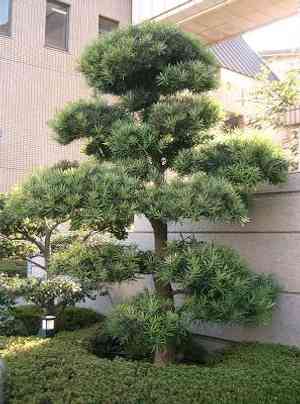
The Buddhist pine thrives in indirect light but can handle either partial sun or full shade.
2
An east-facing window provides the perfect gentle morning illumination for the Buddhist pine's optimal development.
3
Excessive direct sun exposure can scorch the Buddhist pine's foliage, resulting in crispy, brown leaf edges.
Optimal Light Conditions for Podocarpus macrophyllus
Preferred Illumination Levels
The Podocarpus macrophyllus flourishes best with bright, indirect illumination. It can endure some direct sun exposure, ideally during early morning, but extended periods of intense afternoon sun might lead to damage. Target approximately 6 hours of indirect light daily to maintain its vigor.
Native Habitat Lighting
In its native environment, the Podocarpus macrophyllus grows beneath the canopy of larger trees, receiving filtered sunlight throughout the day. This situation replicates bright, yet diffused light, which is ideal for its development and vitality. Recreating this natural light pattern indoors can help your plant thrive.
Can Podocarpus macrophyllus Withstand Low Light?
Adaptability to Dim Conditions
A key advantage of the Podocarpus macrophyllus is its versatility regarding light, including low light. While it favors bright, indirect light, it can also tolerate dimmer conditions. This makes it a flexible choice for various indoor settings, such as offices and areas with limited natural light.
Growth Impact
When cultivated in less bright conditions, the Podocarpus macrophyllus might exhibit reduced growth rates. Its foliage could become sparser, and the plant might stretch out as it 'seeks' more light. To counteract this, consider supplementary lighting or moving the plant closer to a light source.
What Happens if Podocarpus macrophyllus Receives Excessive Sunlight?
Signs of Sun Damage
If the Podocarpus macrophyllus gets too much direct sunlight, its leaves can show signs of scorching. This typically manifests as brown, brittle leaf tips, and may even result in general foliage dehydration and leaf drop.
Protective Measures
To prevent sun scorch, place the Podocarpus macrophyllus in an area with diffused sunlight or behind a sheer curtain. Monitoring its direct sun exposure during peak hours (midday to early afternoon) and adjusting its location accordingly can also help safeguard it from excessive illumination.
Recovery Strategies
If your Podocarpus macrophyllus has suffered sun damage, immediately relocate it to a more shaded spot. Prune off any damaged leaves and ensure the plant stays hydrated to aid its recovery. Avoid overwatering, which can further stress the plant; a balanced approach to light and moisture will help it return to health.
Indoor vs. Outdoor Light Exposure for Podocarpus macrophyllus
Comparing Light Strength
Indoor light, even near windows, is generally less intense than outdoor light. The Podocarpus macrophyllus can adapt to both environments but will require gradual adjustment if transitioning from indoor to outdoor settings or vice versa.
Best Practices for Indoor Cultivation
Indoors, position your Podocarpus macrophyllus near an east or north-facing window. Ensure it gets sufficient indirect sunlight by supplementing with artificial light if necessary. Rotate the plant regularly to ensure all sides receive even light.
Optimal Outdoor Placement
When grown outdoors, the Podocarpus macrophyllus should be situated where it can receive morning sun and be protected from the harsh afternoon rays. A location under taller trees or near a structure providing partial shade can mimic its natural habitat and promote vigorous growth.
Utilizing Artificial Light for Podocarpus macrophyllus
Suitable Types of Artificial Lights
Fluorescent lights or LED grow lights are effective for the Podocarpus macrophyllus. These lights provide the essential spectrum for plant growth without generating excessive heat, which could harm the plant. Positioning light fixtures above the plant ensures uniform light distribution.
Duration and Intensity
For optimal growth under artificial light, aim for approximately 12-16 hours of light per day. Ensure the intensity is moderate to high but avoid placing the light source too close to the plant, as this can cause overheating and leaf damage. Using timers can help maintain consistent light cycles.



