How Much Sunlight Do Dwarf white-stripe bamboo Need?
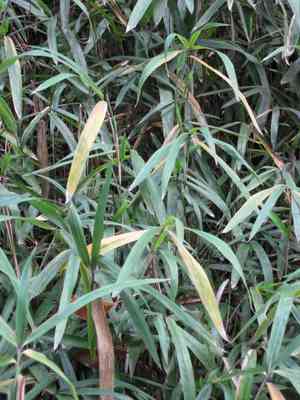
1
Dwarf white-stripe bamboo flourishes optimally in areas with partial sun, receiving roughly 3-6 hours of sunlight each day.
2
Although adaptable to full sun, Dwarf white-stripe bamboo might need increased hydration in such environments to avoid leaf scorching.
3
For indoor settings, consider situating it by windows that offer filtered light.
Optimizing Light Exposure for Dwarf White-Stripe Bamboo
Ideal Light Conditions
Selecting the perfect spot for Dwarf white-stripe bamboo hinges on its light reception. This species thrives with partial sunlight, ideally receiving 3-6 hours daily. Gentle morning rays or diffused light through tree canopies suit this bamboo best. Intense afternoon sun can be detrimental unless the plant is sufficiently hydrated to prevent leaf scorching. Sheer window coverings or placing it beneath taller plants' dappled shade can provide suitable light levels both indoors and out.
Partial Shade vs. Full Sun: Making the Right Choice
The equilibrium between partial shade and full sun for Dwarf white-stripe bamboo dictates its overall vigor and appearance. Partial shade is optimal as it mirrors its native forest understory environment, fostering lush, vivid foliage. However, this plant can endure full sun, particularly in cooler climates or milder seasons. If opting for full sun, ensure more frequent irrigation to maintain soil moisture and prevent leaf burn. A blend of partial and full sun can create a balanced setting, promoting robust development year-round.
Managing Sunlight Exposure for Dwarf White-Stripe Bamboo
Indoor Positioning Guidance
When cultivating Dwarf white-stripe bamboo indoors, strategic placement significantly impacts its growth. Position the plant near a window offering indirect sunlight. East-facing windows provide gentle morning light, which is perfect for this bamboo variety. Avoid direct sun from south or west-facing windows, as it can be too intense. Employing sheer curtains can soften sunlight, ensuring adequate illumination without the risk of leaf damage. Regular rotation of the plant promotes uniform growth and prevents it from bending towards the light source.
Outdoor Placement Strategies
Outdoors, Dwarf white-stripe bamboo offers adaptability in its placement. For peak growth, situate it where it receives early morning sun and afternoon shade. Positioning the plant under the canopy of larger trees or next to shaded garden structures can deliver the appropriate amount of filtered sunlight. If planting in full sun, consider the northern or eastern parts of your garden where it benefits from less intense sunlight. Consistently check moisture levels and apply mulch around the base to help retain soil hydration and safeguard roots.
Indications of Insufficient or Excessive Sunlight for Dwarf White-Stripe Bamboo
Signs of Insufficient Light
Recognizing signs of inadequate sunlight helps in early intervention to prevent health decline in Dwarf white-stripe bamboo. Common symptoms include elongated, sparse growth as the plant stretches for available light. Leaves may become pale or yellow, indicating chlorosis due to insufficient light for photosynthesis. Slow or stunted development can also signal insufficient sunlight. Rectify these issues by relocating the plant to a brighter area or pruning back overhead foliage if grown outdoors, ensuring it receives ample diffused light.
Symptoms of Overexposure to Sunlight
Excessive sunlight can be just as harmful to Dwarf white-stripe bamboo as too little. Warning signs include browning or scorched leaf margins, suggesting the plant is receiving more sun than it can tolerate. Leaves may also curl or become brittle, especially during intense mid-afternoon heat. If these symptoms appear, provide shade using garden netting or move the plant to a location with filtered sunlight. Continuous monitoring and necessary adjustments can help maintain the ideal balance for your bamboo's well-being.
Seasonal Light Adaptations for Dwarf White-Stripe Bamboo
Summer Period Adjustments
Summer brings intense sunlight, requiring modifications for Dwarf white-stripe bamboo. As temperatures rise, the plant may need more frequent watering to counteract evaporation and prevent heat stress. Providing additional shade during peak sun hours with shade cloths or strategic placement can help safeguard the plant. Regularly inspecting the foliage for any signs of sunburn or heat stress ensures proactive care and preserves vibrant leaves.
Winter Season Considerations
During winter, sunlight diminishes, and days shorten. For Dwarf white-stripe bamboo, ensuring some light exposure remains crucial, even if less intense than in summer. Moving potted bamboo closer to windows indoors or utilizing grow lights can compensate for reduced natural light. If grown outdoors, select spots that still receive winter sun, albeit at a lower angle, and protect from frost by mulching around the base to maintain soil warmth.



