How Much Sunlight Do Kōhūhū Need?
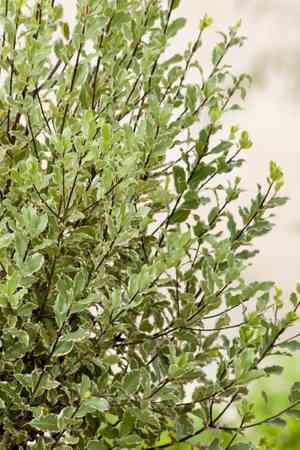
1
KÅhÅ«hÅ« flourishes optimally with a minimum of 6 hours of daily sun exposure.
2
Some shade is acceptable, though it might impact the plant's development.
3
Exercise caution with intense afternoon sun in warmer regions, as it can scorch foliage.
Optimal Light Conditions for KÅhÅ«hÅ«
Direct Sun vs. Partial Obscurity
When considering KÅhÅ«hÅ«'s light requirements, it's crucial to grasp the balance between direct sun and partial obscurity. Ideally, this plant flourishes with over 6 hours of direct sunlight daily. Full sun promotes vigorous development and intensifies the rich, dark foliage KÅhÅ«hÅ« is known for. However, KÅhÅ«hÅ« can endure partial shade, particularly in areas with strong midday sun. While growth might be less robust than in full sun, the plant will remain healthy in a shaded setting, provided it receives at least 3-4 hours of direct light.
Seasonal Light Fluctuations
Seasonal shifts significantly affect light availability. In spring and summer, extended daylight hours offer ample light, ensuring KÅhÅ«hÅ«'s optimal growth. During autumn and winter, daylight hours diminish, which can pose challenges. It's vital to monitor the light KÅhÅ«hÅ« receives during these months. If the plant isn't getting sufficient natural light, consider moving it to a brighter spot or supplementing with artificial illumination to maintain its vitality.
How to Determine KÅhÅ«hÅ«'s Light Requirements
Observing Plant Responses
One of the most effective ways to understand your KÅhÅ«hÅ«'s light needs is by observing its reactions. Look for signs of elongation or leaning towards light sources, indicating a need for more illumination. Conversely, if you notice the plant's leaves wilting or scorched, it might be receiving too much direct sunlight, especially during peak afternoon periods.
Leaf Hue and Health Indicators
The health and color of KÅhÅ«hÅ«'s leaves serve as reliable indicators of its light conditions. Healthy KÅhÅ«hÅ« leaves are typically lustrous and deep green. Yellowing leaves or brown edges can signal insufficient or excessive light, respectively. Ensure the plant is positioned where it can get adequate light but is shielded from extreme conditions that might cause leaf damage.
Maximizing KÅhÅ«hÅ«'s Light Exposure
Placement in Your Garden
Correctly positioning your KÅhÅ«hÅ« in your garden is essential for maximizing its light absorption. Choose a location that receives morning sun and light shade in the afternoon to protect the plant from harsh midday rays. If your garden space is limited, consider placing KÅhÅ«hÅ« near reflective surfaces, such as white walls, to enhance light exposure.
Utilizing Artificial Illumination Indoors
For indoor-grown KÅhÅ«hÅ« or during cloudy seasons, artificial lights can be an excellent alternative. LED grow lights or fluorescent lamps placed relatively close to the plant can mimic sunlight and ensure it sustains growth and health. Aim to provide at least 12 hours of light daily, strategically using timers to replicate natural daylight cycles.
Common Light-Related Issues
Symptoms of Overexposure
Overexposure to light is a frequent problem for KÅhÅ«hÅ«, especially in regions with intense midday sun. Signs include leaf scorch, visible as brown, crispy patches on the foliage, and general wilting. To alleviate this, consider using shade cloths or moving the plant to a spot with filtered light during peak hours.
Addressing Insufficient Light
Inadequate light can lead to various problems for KÅhÅ«hÅ«. Symptoms include pale, yellowing leaves, stunted growth, and legginess. To remedy this, try relocating the plant to a brighter spot or supplementing natural light with artificial grow lights. Regularly rotating the plant can also ensure that all sides receive equal exposure.
KÅhÅ«hÅ« Light Needs FAQs
Can KÅhÅ«hÅ« Thrive in Complete Shade?
While KÅhÅ«hÅ« can endure partial shade, cultivating it in complete shade is not advisable. Full shade conditions significantly hinder the plant's growth and vigor. It's best to ensure that KÅhÅ«hÅ« receives at least a few hours of direct sunlight daily for optimal health.
What is the Ideal Time of Day for Light?
Morning sun is generally the best time of day for KÅhÅ«hÅ« to receive light. The softer, less intense rays of early morning provide ample illumination without the risk of scorching that can occur during the hotter afternoon hours. Positioning your KÅhÅ«hÅ« to capture morning sun can ensure it gets the light it needs gently.



