How Much Sunlight Do Garden pea Need?
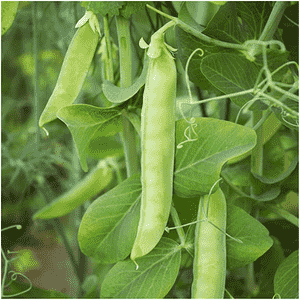
1
Garden peas flourish with ample sunlight, needing over 6 hours of direct sun each day.
2
Garden peas can withstand some shade, yet this will result in a smaller harvest of pods.
3
Exposure to morning sun is typically preferable for Garden peas, offering mild warmth and preventing harsh afternoon temperatures.
Deciphering Sunlight Requirements for Garden Peas
Optimal Sunlight for Garden Peas
For successful Garden pea cultivation, sunlight is a vital element directly impacting their health and yield. These legumes flourish best with full sun exposure, meaning a minimum of six to eight hours of direct sunlight daily. Full sun provides the necessary energy for photosynthesis, promoting vigorous growth and a generous harvest. Garden peas are known for their preference for light; neglecting this requirement can result in weak, lanky plants with few pods.
Sunlight's Influence on Garden Pea Development
The amount of sunlight your Garden peas receive significantly affects their growth and productivity. Sufficient sunlight aids in developing robust stems and leaves, which in turn support the formation of abundant pods filled with tasty peas. Without enough light, plants tend to stretch towards the light source, leading to elongated and fragile growth. Conversely, excessive intense sunlight, especially in the afternoon, can cause foliage scorching and drying. Therefore, balancing sun exposure is crucial for peas to reach their full potential.
Ensuring Sufficient Sunlight for Your Garden Pea Plants
Selecting the Ideal Location
Choosing the correct garden spot is essential for Garden peas to receive ample sunlight. Ideally, pick a south-facing site free from obstructions like tall trees or structures that cast shadows. Elevated garden beds can be particularly advantageous as they typically get better sun exposure throughout the day. If space is limited, consider using containers that can be relocated to sunnier spots as needed.
Managing Shade and Excessive Exposure
While Garden peas love sunlight, controlling shade is equally important to prevent overexposure. For instance, if your region experiences extremely hot afternoons, consider planting your peas where they can receive some light, partial shade during these hours. This can be achieved using row covers or planting taller companion plants to offer some respite from the intense sun.
Common Questions Regarding Garden Pea Sunlight Needs
Can Garden Peas Thrive in Partial Shade?
Garden peas can grow in partial shade, but their output will not be as substantial as those cultivated in full sun. In partial shade, plants might still produce peas, but the quantity and size of the pods could be diminished. Partial shade conditions are more appropriate in areas with strong sunlight to prevent the plants from getting scorched.
What Happens with Excessive Sun Exposure for Garden Peas?
If Garden peas are subjected to too much intense sunlight, particularly during peak afternoon hours, they can suffer from sunburn and dehydration. Symptoms of overexposure include browning leaf margins, wilting, and crispy foliage. Ensuring plants have adequate water and some shade during extremely hot periods can help alleviate these problems.
Is Morning or Afternoon Sun Better for Garden Peas?
Morning sunlight is generally more advantageous for Garden peas than afternoon sun. The morning rays are gentler, providing mild warmth that helps dry dew and reduce the risk of fungal diseases. Moreover, morning sunlight is less likely to scorch plants, making it the preferred choice for Garden peas.



