How Much Sunlight Do Longleaf pine Need?
1
Longleaf pine flourishes optimally in areas with abundant sunlight, needing a minimum of six hours of direct sun each day.
2
While Longleaf pine may endure in shaded conditions, it won't reach its peak development and vitality.
3
Trimming surrounding trees and utilizing reflective ground covers can aid in guaranteeing sufficient light for your Longleaf pine.
Optimal Light Conditions for Longleaf Pine
Full Sun Requirements
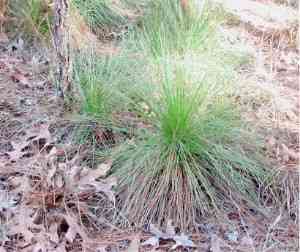
The Longleaf pine, a magnificent tree native to the southeastern U.S., recognized for its lengthy needles and impressive stature, thrives in full sun. This means it needs at least six hours of direct sunlight daily for peak growth. This is crucial for its photosynthetic process, which powers its development. Healthy Longleaf pines in full sun can reach heights of 30 to 35 meters (approximately 98 to 115 feet) over their lifespan. Ample sun exposure provides the energy required for a strong trunk and dense needle clusters.
Partial Shade Tolerance
While Longleaf pine prefers full sun, it can withstand some partial shade. This implies the tree can survive in environments where it gets sunlight for about 4-6 hours daily. In such conditions, the Longleaf pine might not achieve its maximum size or grow as vigorously as it would in full sun. Partial shade can slow its growth rate and impact its overall health. However, it's vital to avoid excessive shade, as it can lead to issues like weaker structural integrity and increased vulnerability to diseases.
Impacts of Insufficient Sunlight on Longleaf Pine
Growth Inhibition
Inadequate sunlight can significantly hinder Longleaf pine growth. When the tree lacks sufficient light, its ability to perform photosynthesis is compromised, leading to stunted development. Trees in shaded areas may develop thinner trunks and shorter needles, failing to reach their full height potential. Growth inhibition can also result in reduced seed production, affecting the tree's capacity to reproduce and sustain its wild population.
Disease Susceptibility
A lack of sufficient sunlight can render Longleaf pine more vulnerable to diseases and pests. Sunlight helps maintain the tree's natural defenses against pathogens by promoting dry conditions that deter fungal growth and by bolstering its overall health. In shaded areas, humidity can rise, creating an ideal environment for mold, mildew, and harmful insects. A weakened Longleaf pine is less able to ward off such threats, potentially leading to severe health problems and even tree mortality if not properly managed.
Best Planting Sites for Longleaf Pine
Open Fields and Meadows
Open fields and meadows are among the best locations for planting Longleaf pine, allowing it to receive uninterrupted sunlight throughout the day. These expansive areas provide ample space for its roots to spread, access nutrients, and avoid light competition. Planting in open fields also reduces the likelihood of the tree being shaded by nearby structures or taller vegetation. For optimal growth, select a site with well-drained soil and good air circulation.
Residential Yards
Residential yards can also be suitable for Longleaf pine, provided the tree is placed in a spot that receives maximum sunlight. When planting in a yard, ensure the tree is positioned away from buildings, fences, and other tall trees that could cast shadows. Consider the mature size of the Longleaf pine, as it will grow considerably over time. Adequate space around the tree will not only prevent shading but also allow its roots to spread without damaging nearby structures.
Ensuring Proper Sunlight Exposure for Longleaf Pine
Pruning Nearby Trees and Shrubs
To ensure Longleaf pine receives adequate sunlight, consider pruning nearby trees and shrubs that might cast shadows. Regularly trim overhanging branches that block direct sunlight. This practice not only increases light exposure but also improves air circulation, reducing the risk of fungal infections and pest infestations. Pruning should be done carefully to avoid damaging surrounding vegetation and to maintain a healthy ecosystem.
Using Reflective Mulches
Employing reflective mulches around the base of the Longleaf pine can help boost sunlight availability. Reflective mulches are materials that redirect light back towards the tree, increasing overall light exposure. These mulches can be especially beneficial in partially shaded areas, enhancing the tree's access to light without relying solely on direct sun. Reflective mulches also aid in retaining soil moisture and suppressing weed growth, contributing to the tree's health.
Seasonal Sunlight Changes
Be mindful of seasonal shifts in sunlight when planning Longleaf pine care. As seasons change, the angle and duration of sunlight can vary, affecting how much light your tree receives. During winter months, when the sun is lower, ensure no seasonal decorations, temporary structures, or other objects obstruct sunlight. Adjusting the tree's care routine according to seasonal variations will help maintain consistent growth and health throughout the year.



