How Much Sunlight Do Western white pine Need?
1
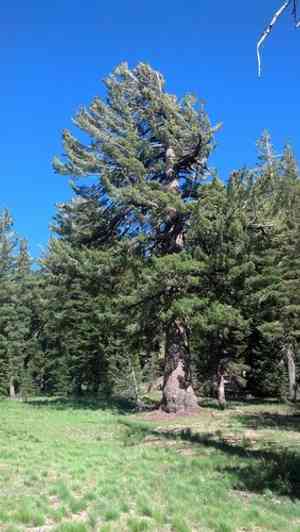
Western white pine flourishes optimally in full sun, necessitating over 6 hours of direct sunlight each day.
2
In its juvenile stage, Western white pine tolerates partial shade but favors transplantation to brighter locations as it ages.
3
Improper sun exposure can cause numerous health issues for Western white pine, such as inhibited development and increased vulnerability to illnesses.
Optimal Light Conditions for Western white pine
Ideal Daily Sun Exposure
For peak vitality, Western white pine trees prefer complete sun exposure. This means the tree should receive a minimum of six hours of direct solar radiation daily. This aids the tree in generating sufficient nutrients via photosynthesis, leading to vigorous development and a robust form. While some shade is tolerable, particularly when young, consistent full sun ensures superior growth and well-being.
Direct vs. Diffused Light
Direct sunlight is unimpeded solar radiation hitting the plant, whereas indirect sunlight is filtered or scattered by elements like structures or other plants. For Western white pine, direct sunlight is crucial for its best development. The tree uses this direct light to produce energy for its metabolic processes. Conversely, if situated in an area with too much indirect light, the tree might become weak and elongated.
Seasonal Light Requirements
The light demands for Western white pine vary slightly throughout the year. During spring and summer, when growth is most active, it's vital the tree gets ample direct sunlight to support its rapid expansion. In autumn and winter, the tree naturally receives less light and enters a dormant phase. While winter light needs are lower, maximizing exposure during other seasons significantly impacts its annual growth and health.
Impacts of Improper Light Exposure
Excessive Sunlight
While Western white pine thrives in full sun, too much can be detrimental, especially when coupled with high temperatures and dry conditions. Overexposure to sun can cause sunscald, where the bark and foliage burn, leading to cellular damage and increased disease susceptibility. Ensuring adequate water and possibly some summer shade can mitigate these risks for your Western white pine.
Insufficient Sunlight
Conversely, inadequate sunlight can severely impair the health and growth of a Western white pine. In shaded environments, the tree may exhibit stunted development, sparse foliage, and a much weaker structure, making it more vulnerable to pests and diseases. Yellowing needles and reduced cone production also indicate insufficient light. Relocating the tree or pruning nearby vegetation to increase light access can be beneficial.
Adjusting Light Exposure for Western white pine
Pruning for Light Access
Pruning your Western white pine can significantly enhance light penetration to the tree. By removing lower branches and thinning dense areas, you can ensure more sunlight reaches the tree's interior and lower sections. This not only fosters healthy growth but also helps maintain a well-formed and attractive tree. Regular, strategically planned pruning sessions will help maximize light exposure.
Relocation or Shading Methods
If your Western white pine is not in an ideal spot, consider moving it to a sunnier location, especially before it grows too large. Early relocation can help the tree adapt better to its new surroundings. In extreme cases of excessive sunlight, employing shading techniques like using shade cloths during peak summer can protect the tree. Planting companion plants or shrubs that offer intermittent shade during the hottest parts of the day is another approach.



