How Much Sunlight Do Japanese red pine Need?
1
Japanese red pine flourishes optimally with a minimum of 6 hours of direct sunlight daily.
2
Insufficient light exposure can result in spindly and weak development.
3
Adjust its placement throughout the year to maximize sun exposure.
Optimal Light Requirements for Japanese Red Pine
Direct Sun vs. Shaded Areas
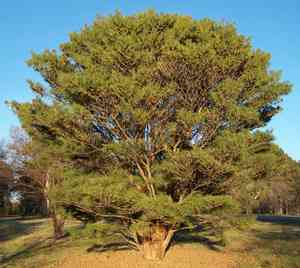
The Japanese red pine, recognized for its striking reddish bark and verdant needles, prefers full sun exposure. This conifer flourishes best when receiving direct solar illumination for most of the day. With ample sunlight, meaning a minimum of 6 hours of direct sun daily, it can achieve its characteristic dense, conical form. Conversely, if situated in partial shade, the tree may not attain its full potential. Insufficient light can lead to thinner foliage and a less robust appearance. Select a location that guarantees your Japanese red pine gets plenty of sun to maintain its vitality and beauty.
Daily Light Duration Needs
For prime development, the Japanese red pine requires between 6 to 8 hours of sun each day. This light exposure is vital for the tree to generate energy through photosynthesis. Without sufficient light, the tree may struggle to gather enough energy, potentially hindering its growth and making it more vulnerable to pests and diseases. Therefore, ensuring consistent daily light will support its development and general health.
Seasonal Light Fluctuations
Seasonal shifts can influence the amount of sunlight your Japanese red pine receives. During summer, days are longer, providing more sun, which is excellent for its growth. However, in colder months, days shorten, and the sun's angle lowers, resulting in reduced light exposure. To optimize its growth year-round, consider planting it where it can receive the maximum available light across all seasons, or modify by pruning nearby plants or repositioning garden features that might cast shadows.
Environmental Factors Influencing Japanese Red Pine Growth with Sunlight
Temperature's Role with Sunlight
Temperature significantly interacts with sunlight to affect the growth of Japanese red pine. Being resilient, this tree tolerates a wide temperature range but excels in locations with abundant sun and moderate temperatures. Excessively hot climates combined with intense sunlight can cause stress if the tree lacks adequate water, while very cold conditions might limit its active growth period.
Soil Conditions and Sunlight Utilization
The soil type impacts how effectively the Japanese red pine uses the sunlight it absorbs. Well-drained, slightly acidic soils are ideal. Good drainage prevents waterlogging, which can negate the benefits of ample sunlight by promoting root rot. Proper soil health, maintained with organic matter, will ensure the tree maximizes the advantages of the sunlight it receives.
Humidity Levels and Sunlight Interaction
Humidity levels can interact with sun exposure to influence the well-being of a Japanese red pine. While quite adaptable, high humidity coupled with intense sunlight can occasionally lead to fungal problems. Ensuring good air circulation around the tree and maintaining balanced humidity will support its health. Conversely, in low-humidity environments, sufficient irrigation becomes crucial to counteract the drying effects of prolonged sun exposure.
Common Sunlight-Related Problems for Japanese Red Pine
Sunburn and Leaf Damage
Just like people, trees can experience sunburn when exposed to excessive intense sunlight, especially if unacclimated. Indicators of sun damage on a Japanese red pine include browning or scorching of its needles. To prevent this, avoid abrupt changes in light conditions and ensure the tree is well-hydrated during particularly hot spells.
Signs of Inadequate Sunlight
When a Japanese red pine doesn't receive enough sunlight, the most evident symptom is diminished growth vigor. Needles may become sparse, lose their vivid green hue, and branches can grow leggy. Under such circumstances, the tree might also become more susceptible to diseases and pests. Monitor its light levels and make adjustments by thinning out overhead foliage or relocating competing plants.
Optimizing Sunlight for Indoor Japanese Red Pine Care
Optimal Indoor Placement
If cultivating a Japanese red pine indoors, proper positioning is crucial. Place it near a south-facing window to ensure maximum sunlight exposure. If a south-facing window isn't available, ensure it receives at least 6 hours of light by moving it to the brightest spot in your home, potentially supplementing with artificial illumination if necessary.
Utilizing Supplemental Grow Lights
Grow lights can be indispensable for indoor Japanese red pines, particularly in rooms with limited natural light. Full-spectrum grow lights replicate natural sunlight and can supply the required light energy. Aim for a minimum of 6 hours of light exposure from these fixtures daily to ensure your tree thrives.
Seasonal Position Adjustments
As seasons change, indoor light conditions can vary. During winter months when natural light is scarcer, you might need to move your Japanese red pine closer to windows or increase the usage of grow lights. In summer, ensure it isn't subjected to excessive direct sunlight by potentially using a sheer curtain to diffuse the intensity.



