How Much Sunlight Do Sand pine Need?
1
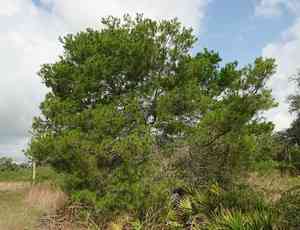
Sand pine flourishes optimally in direct sunlight, needing a minimum of 6 hours of unshaded sun each day.
2
Sand pine exhibits some tolerance for partial shade, yet its best development occurs under full sun conditions.
3
Utilizing a light meter to track sunlight can assist in guaranteeing Sand pine receives the appropriate amount of sun for every developmental phase.
Ideal Light Conditions for Sand pine
Full Sun vs. Partial Shade
The Sand pine is known for its adaptability, flourishing best in full sun but also tolerating partial shade. Full sunlight means at least 6 hours of direct sun daily. This exposure promotes vigorous growth, leading to healthy foliage and a sturdy trunk. Partial shade means the plant receives direct sunlight for about 3 to 6 hours, and while the Sand pine can endure this, reduced growth and less dense foliage have been observed compared to those grown in full sunlight.
Daily Light Duration
For optimal development, Sand pine requires a minimum of 6 hours of direct sunlight each day. Sunlight is vital for photosynthesisâthe process where the plant converts light into energy. Ensuring a consistent daily light routine will keep your Sand pine thriving. For instance, placing it where it gets morning to early afternoon sun would be perfect, providing sufficient light without the overly harsh rays of late afternoon.
Seasonal Light Fluctuations
Depending on the season, the amount of available sunlight can change. During summer, days are longer with more sunlight, which benefits the Sand pine. Conversely, winter days are shorter with less sunlight. Although Sand pine is quite resilient, it's helpful to position the tree to maximize winter sunlight, such as in a spot receiving midday to afternoon sun when the rays are most potent.
Monitoring and Adjusting Sand pine's Light Exposure
Utilizing Light Measurement Tools
To ensure your Sand pine receives the correct amount of sunlight, consider using light measuring devices like a light meter. These tools gauge the intensity and duration of light reaching your plant. By monitoring light levels, you can make informed decisions on whether your Sand pine needs to be moved to a brighter or shadier spot. Regularly check light levels throughout the day and adjust as needed to ensure optimal conditions.
Placement Strategies for Optimal Light
Proper placement is crucial for ideal sunlight exposure. Position your Sand pine where it can receive morning to early afternoon sun, which is less intense than midday sun. For outdoor planting, consider an east or southeast-facing location that will get ample light while being protected from extreme heat. If growing indoors, place the plant near a sunny window or use supplemental grow lights to mimic natural sunlight.
Indicators of Excessive or Insufficient Light
Recognizing the signs that your Sand pine is getting too much or too little sunlight is essential for its well-being. Signs of too much sunlight include scorched or yellowing needles, whereas too little sunlight results in sparse foliage and stunted growth. If you notice needles turning brown at the tips or new growth wilting, it could indicate light issues. Therefore, adjusting the treeâs position or providing shade during peak sunlight hours is vital for maintaining its health.
Light Recommendations for Different Sand pine Growth Stages
Seedling Phase
During the seedling phase, Sand pine plants are delicate and susceptible to extreme light conditions. They require filtered or indirect sunlight for about 4-6 hours daily. Too much direct sunlight can harm young seedlings, so consider using a shaded area or a light screen to diffuse the sunâs rays. Once seedlings establish and grow stronger, you can gradually increase their exposure to direct sunlight.
Juvenile Phase
In the juvenile phase, Sand pine trees become more robust and can tolerate more direct sunlight. At this stage, providing full sun exposure for at least 6 hours daily is ideal. The increased light allows them to develop stronger stems and denser foliage. Ensure they are in a location that receives consistent direct sunlight, and adjust their position if any shading occurs.
Mature Phase
For mature Sand pine trees, full sun is essential. Mature trees need at least 6 hours of direct sunlight daily to remain healthy and continue growing. Regularly check the tree for signs of light stress and reposition it if necessary to ensure it gets ample sunlight. Mature Sand pine trees are generally more resilient, but maintaining optimal light conditions will ensure best growth and health.



