How Much Sunlight Do Swiss stone pine Need?
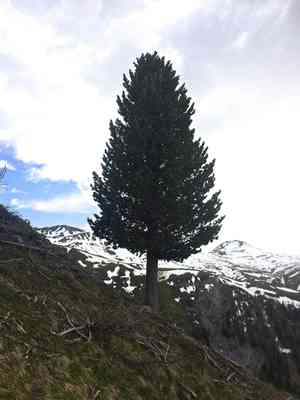
1
Swiss stone pine flourishes optimally with a minimum of 6 hours of direct sun each day.
2
Swiss stone pine can endure some shade, allowing it to develop in suboptimal light, although this might affect its general vitality.
3
Appropriate trimming can aid in maximizing sun exposure for enhanced development and well-being.
Optimal Light Conditions for Swiss Stone Pine
Full Sun Requirements
The Swiss stone pine is a robust and adaptable tree that flourishes best in full sun. Ideally, it needs at least six to eight hours of direct sunlight daily. This tough pine can endure various conditions but performs optimally with ample light exposure. Full sunlight is vital for energy production through photosynthesis, which fuels its growth and development.
Partial Shade Tolerance
While the Swiss stone pine prefers full sun, it can also endure partial shade. This means it can adapt to areas receiving light for three to six hours daily or dappled light throughout the day. However, it's important to note that while partial shade won't kill the tree, it might lead to slower growth and less vigorous health compared to those planted in full sun.
Daily Sunlight Needs of Swiss Stone Pine
Optimal Hours for Development
For peak development, the Swiss stone pine should receive a minimum of six hours of direct sunlight daily. This ensures the tree gets enough light for effective photosynthesis, leading to healthy growth, strong root development, and vibrant green needles. Trees with ample sunlight are generally more resilient and better able to withstand environmental stressors.
Seasonal Changes
Sunlight availability varies with the seasons, which, in turn, impacts the Swiss stone pine. During the longer days of spring and summer, the tree typically gets sufficient sunlight, promoting vigorous growth. However, in fall and winter, when daylight hours are shorter, positioning the tree in the most light-rich part of your garden can help compensate for reduced sunlight.
Impacts of Insufficient Sunlight on Swiss Stone Pine
Growth Suppression
Insufficient sunlight can significantly hinder the growth of a Swiss stone pine. Without enough light, the photosynthesis process slows, leading to reduced energy production. This can result in stunted growth, diminished branch and root development, and a generally weaker tree. Such trees are less likely to reach their full height potential.
Needle Yellowing
One of the clearest indicators of insufficient sunlight is the yellowing of needles. When the Swiss stone pine doesn't receive enough light, the chlorophyll in its needles starts to break down, causing them to turn yellow. This not only impacts the tree's visual appeal but also signals poor health and potentially other underlying issues.
Pest and Disease Vulnerability
A Swiss stone pine deprived of adequate sunlight is also more susceptible to pests and diseases. A weakened state due to insufficient light makes it easier for pests to infest and diseases to take hold. Ensuring the tree gets adequate sunlight is crucial for maintaining its natural defenses and overall health.
Maximizing Sunlight Exposure for Your Swiss Stone Pine
Correct Placement and Spacing
To maximize sunlight exposure, it's essential to plant your Swiss stone pine in an open area where it won't be overshadowed by taller structures or other trees. Proper spacing is also vital. Ensure enough room between your Swiss stone pine and other plants to allow light to reach all parts of the tree. This encourages even growth and prevents overcrowding, which can block sunlight.
Pruning for Enhanced Light Penetration
Regular pruning can also help improve sunlight penetration to the inner branches of your Swiss stone pine. Trim back overgrown branches and remove dead or diseased limbs to allow more light to filter through the canopy. This not only promotes better light exposure but also helps improve air circulation, reducing the risk of disease.



