How Much Sunlight Do Aluminum plant Need?
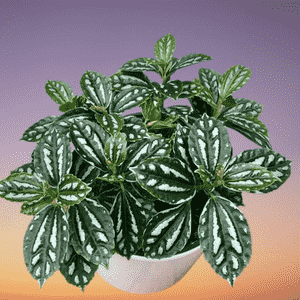
1
Aluminum plants flourish optimally in subdued to moderate light environments, favoring filtered sunlight.
2
Excessive direct sun exposure may burn the foliage of the Aluminum plant, leading to discoloration or defoliation.
3
Consider employing supplemental grow lights to augment natural illumination, particularly in periods of reduced daylight.
Understanding the Illumination Needs of the Aluminum Plant
Optimal Light Conditions for Pilea cadierei
The Aluminum plant thrives in filtered light, preferring dim to moderate brightness. This makes it an excellent houseplant, capable of adapting to various indoor illumination levels. Areas receiving ample yet diffused light, such as a room with sheer drapes, are perfect for this species. Direct sunbeams can be too intense and cause leaf burn, so it's best to keep it out of prolonged direct sunlight.
Direct Sun Exposure: Is it Advantageous?
Direct solar radiation is generally unhelpful for the Aluminum plant. While it can withstand brief periods of direct sun, continuous exposure can lead to scorching and harm to its foliage. Instead of flourishing, the plant might start to droop, and its leaves could develop brown, brittle edges. It's important to remember that Pilea cadierei originates from understory habitats where it receives mottled sunlight rather than full exposure.
Best Indoor Placements for Ideal Growth
For indoor positioning, consider spots that mimic its native environment. The Aluminum plant will prosper in locations like east or north-facing windows where it can receive soft morning or filtered illumination. Avoid placing it directly opposite a south or west-facing window to prevent strong afternoon rays. Shelves, tables, or areas with indirect light are wonderful for peak development.
Indicators Your Aluminum Plant Requires More or Less Light
Symptoms of Excessive Sunlight
Overexposure to sunlight can manifest in several ways in the Aluminum plant. Watch for foliage that appears bleached or has brown, crispy edges. If you observe these signs, your plant is likely receiving too much direct sun. Relocate it to a spot with indirect light to prevent further harm.
Identifying Insufficient Light Conditions
Conversely, inadequate light conditions can also negatively affect the plant. If your Aluminum plant begins to develop elongated stems or pale, yellowing leaves, it may be signaling a lack of proper illumination. In such instances, gradually introduce it to more light or consider utilizing supplementary artificial lighting. Just remember to increase exposure incrementally to avoid shock.
Modifying Sunlight Exposure for the Aluminum Plant
Utilizing Artificial Illumination to Supplement Natural Light
Artificial light can be an excellent complement to natural light, particularly during colder months or in poorly lit apartments. LED grow lights are a superb option. Position the grow light approximately 30 centimeters (12 inches) above the plant for about 12-14 hours daily to ensure it receives sufficient light for photosynthesis.
Seasonal Adjustments to Light Exposure
Seasonal modifications are vital for maintaining your Aluminum plant's vitality. During winter when natural light is scarce, you might need to move the plant closer to a light source or employ grow lights more frequently. Conversely, in summer, ensure the plant is not exposed to harsh afternoon sun for extended durations.
Common Errors Regarding Sunlight Exposure for Pilea cadierei
Window Placement: Advantages and Disadvantages
While positioning your Aluminum plant near windows can provide adequate illumination, choosing the correct window is essential. East and north-facing windows are generally safer, offering gentle light. South and west-facing windows can expose the plant to intense sunlight, risking leaf scorch.
Overcorrection with Artificial Lighting
Artificial lights are beneficial, but overdoing it can be harmful. Excessive artificial illumination can stress the plant just as much as insufficient natural light. Maintain balance by observing the plant's reaction and adjusting the artificial light's intensity and duration accordingly.



