How Much Sunlight Do White spruce Need?
1
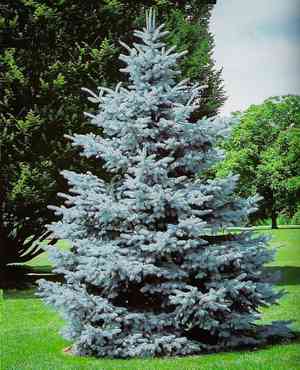
White spruce trees generally require over 6 hours of direct sun each day for optimal health.
2
Younger White spruce plants may tolerate some partial shade.
3
Insufficient light levels can lead to a White spruce exhibiting yellowed needles and inhibited development.
What are the Light Requirements for White spruce?
Full Sun Exposure: Benefits and Challenges
The White spruce thrives best with over 6 hours of direct sunlight daily. Ample sun exposure encourages vigorous development and strong health. This light aids the tree in photosynthesis, nutrient absorption, and overall vitality. However, consistently high sun levels can sometimes present difficulties, such as rapid soil drying or needle sunburn, especially in very sunny areas. Providing sufficient watering and mulch can help alleviate these issues.
Partial Shade: When and Why It's Suitable
While full sun is ideal, White spruce can endure partial shade, particularly when young. Partial shade means the tree receives about 4-6 hours of sunlight, typically in the morning or late afternoon. This is appropriate in regions where midday sun is too intense. Young saplings especially benefit from this, as it shields them from harsh rays, reducing sun damage risk before maturity.
Avoiding Low Light Conditions
Low light conditions, meaning less than 4 hours of daily sun, should be avoided for the White spruce. Insufficient light can lead to poor growth, yellowing needles, and a generally unhealthy tree. If your planting site doesn't naturally provide enough light, consider trimming back overhanging trees or moving the spruce to a brighter location.
How to Identify Proper Sunlight for White spruce
Observing Sunlight Patterns in Your Yard
Begin by observing the sunlight patterns in your garden. Note which areas receive the most sun throughout the day. Typically, south-facing spots capture the majority of sunlight in the Northern Hemisphere. Placing your White spruce in such a location is advantageous for its growth. Be aware of any tall structures or trees that might cast prolonged shadows and consider pruning or altering them if necessary.
Seasonal Changes in Sunlight Exposure
Pay attention to how sunlight varies with the seasons. In summer, days are longer and light is more intense. During winter, days are shorter, and the sun's angle is lower. Your White spruce needs to be in a spot that receives adequate sunlight across all seasons. Considering this, strategic tree placement will help ensure it gets sufficient light year-round.
Using Sunlight Measuring Tools
For a more precise assessment, consider employing sunlight measuring devices. A simple light meter can track the amount of light a specific area receives over a day. These tools can offer a clearer understanding, especially if you're uncertain about the light exposure in certain parts of your yard. This assists in making an informed decision about where to plant your White spruce.
What are the Signs of Improper Sunlight for White spruce?
Yellowing or Browning Needles
One of the initial indicators that your White spruce isn't getting enough sunlight is the yellowing or browning of its needles. This discoloration suggests the tree is struggling with photosynthesis, which is vital for its growth and health. If you observe this, it's a clear sign to evaluate and correct the plant's light exposure.
Stunted Growth
Another symptom to look for is inhibited growth. If your White spruce isn't developing as expected or appears smaller compared to other spruces of the same age, it might be due to insufficient sunlight. Ensuring the tree receives ample light can foster more robust development.
Leaning or Twisting Trunk
A twisted or leaning trunk can occur when a White spruce is 'reaching' for more light. Trees naturally grow towards light, so if sunlight only comes from one direction, the tree may bend towards it. This clearly indicates the tree requires better light distribution.
Tips for Optimizing Sunlight for Your White spruce
Pruning Nearby Trees
A straightforward method to increase sunlight for your White spruce is by trimming nearby trees and shrubs. Removing overhanging branches or thinning out dense foliage can allow more light to reach your spruce. This is especially important if other trees are casting significant shadows throughout the day.
Choosing the Right Planting Location
Selecting an ideal planting site is crucial. Choose a spot that receives abundant sunlight, preferably with exposure to the morning sun. A south or west-facing location is typically optimal for the White spruce. Avoid placing it too close to buildings or other structures that could block sunlight.
Supplemental Lighting Options
If relocating or pruning isn't feasible, consider supplementary lighting. Using grow lights designed for outdoor use can help compensate for inadequate natural sunlight. This might be particularly beneficial during shorter winter days, ensuring your White spruce gets the light it needs year-round.



