How Much Sunlight Do Common ninebark Need?
1
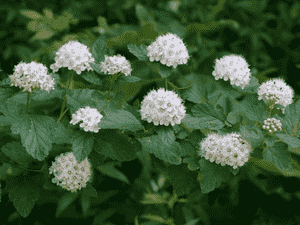
Common ninebark typically flourishes in direct sunlight and can endure some dappled light.
2
This hardy bush requires a minimum of 6 hours of sun each day for robust development.
3
Observe shifts in seasonal light to guarantee steady illumination for your Common ninebark.
Understanding the Sunlight Requirements of Common ninebark
Native Habitat and Natural Sun Exposure
The Common ninebark, a robust and adaptable shrub, originates from areas where it naturally gets abundant sunlight. Knowing its natural environment helps replicate similar conditions in your garden. Its native settings often include open forests and woodland edges, where it experiences significant sun exposure throughout the day.
Optimal Sunlight Conditions
For peak development, Common ninebark benefits from full sun. It generally flourishes best with at least 6 hours of direct sunlight daily. While it can endure partial shade, especially in warmer climates, providing ample sunlight ensures more vibrant foliage and a greater abundance of flowers.
How Many Hours of Sunlight Does Common ninebark Need?
Full Sun vs. Partial Shade: What's Best?
Ideally, Common ninebark should be situated where it can receive full sun, which means over 6 hours of direct sunlight each day. While the plant can withstand partial shade, full sun conditions promote vigorous growth and enhance its decorative appeal.
Daily Sunlight Duration for Healthy Growth
Common ninebark requires a minimum of 6 hours of sunlight daily for healthy development. This exposure helps the plant maintain its striking foliage color and encourages the production of its charming flower clusters. Sufficient sunlight also helps prevent potential growth problems linked to inadequate light.
Sunlight Considerations for Different Seasons
Spring and Summer Sunlight Needs
During the spring and summer months, Common ninebark should be positioned to receive maximum sunlight. Longer days in these seasons naturally provide more light, crucial for the plant's growth and blooming. Ensure consistent sun exposure to encourage optimal health and vitality.
Fall and Winter Light Adjustments
As days shorten in fall and winter, it's important to monitor the available sunlight for your Common ninebark. Although the plant becomes less active, ensuring it still gets a decent amount of light helps prepare it for healthy regrowth the following spring. If needed, consider pruning nearby foliage to prevent light obstruction.
Sunlight-Related Growth Issues in Common ninebark
Signs of Too Much Sunlight
While Common ninebark tolerates considerable sunlight, excessive intense heat and light can cause leaf scorch and wilting. If you observe brown, crispy edges on the leaves, it might indicate the plant is getting too much direct sun, particularly during peak heat hours.
Symptoms of Insufficient Light
Inadequate light can lead to several issues for Common ninebark. Typical indicators include leggy growth, fewer blossoms, and pale or dull leaf coloration. These symptoms suggest the plant isn't receiving enough sunlight to sustain its health and aesthetic qualities.
Steps to Remedy Light Stress
To address light stress, ensure your Common ninebark is planted in an area with optimal sunlight. If necessary, move the plant to a sunnier spot or trim surrounding plants that might be casting shadows. Regularly observe the plant, adjusting as needed to maintain balanced light exposure throughout the year.
Frequently Asked Questions About Common ninebark Sunlight
Can Common ninebark Tolerate Full Shade?
While Common ninebark can survive in shaded areas, it won't flourish as it would in sunnier locations. Full shade conditions can result in poor flowering, leggy growth, and pale foliage. It's best to plant it where it can access direct sunlight for significant portions of the day.
Is It Possible to Grow Common ninebark Indoors?
Common ninebark is generally not recommended for indoor cultivation due to its substantial sunlight requirements. However, if you possess a bright, sunny indoor space like a sunroom, it could potentially work. Ensure the plant receives ample light to prevent any growth problems.
What Are the Best Locations for Planting Common ninebark?
The ideal spots for planting Common ninebark include areas with full to partial sun exposure. Choose locations with well-draining soil and minimal competition for light from other plants. Typically, garden beds, borders, or open woodland areas are excellent choices.



