How Much Sunlight Do Black bamboo Need?
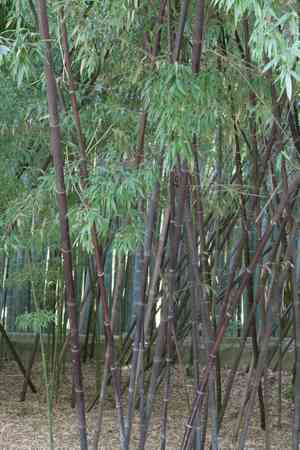
1
Black bamboo flourishes with approximately 3-6 hours of direct sunlight each day.
2
While it can withstand full sun exposure, a location with partial sun is optimal.
3
Introduce any shifts in light conditions progressively to prevent plant stress.
Deciphering Black Bamboo Light Needs
Direct vs. Diffused Light
Regarding illumination, Black bamboo shows considerable flexibility. While it tolerates direct sun, it flourishes best with filtered or indirect light. Direct sunlight means unblocked rays hitting the plant, which can be overly intense, particularly in warmer areas. Conversely, indirect light is softened, either by a screen or reflection, offering a gentler exposure that lessens the chance of leaf damage.
Optimal Daily Light Duration
Black bamboo thrives with roughly 3-6 hours of sunlight each day. This balance enables efficient photosynthesis without undue stress. Morning light, being milder, is especially advantageous. Positioning your bamboo to capture these early rays fosters its health and vibrancy. For indoor cultivation, situate it near a window with ample light, but consider a sheer curtain for diffusion.
Seasonal Light Adjustments
Sunlight strength and duration fluctuate with the seasons, impacting plants. During spring and summer, with longer, stronger days, Black bamboo might get excessive light if unsupervised. Conversely, the diminished light in fall and winter might necessitate relocating the plant to a brighter spot or supplementing with artificial illumination. Always be ready to alter the plant's position based on seasonal shifts to ensure consistent light exposure.
Selecting the Ideal Location for Your Black Bamboo
Indoor Placement Advice
When kept indoors, the optimal spot for your Black bamboo is where it receives bright, indirect sunlight. This might be close to an east or west-facing window. South-facing windows are also suitable, though they may require a sheer curtain to soften the more intense light. Periodically rotate the pot to ensure all sides receive even light, promoting symmetrical development.
Outdoor Planting Considerations
For outdoor cultivation, select an area where Black bamboo will get partial sun—around 3-6 hours of daily sunlight. This could be a spot with morning sun and afternoon shade. Fully exposed sunny locations are also acceptable as the plant can endure full sun, but ensure sufficient watering to prevent stress in hotter weather. Planting near taller structures or trees that provide dappled light can also be beneficial.
Utilizing Supplemental Light Sources
In regions with limited natural illumination, particularly during shorter winter days, employing artificial grow lights can help sustain your Black bamboo's vitality. LEDs or fluorescent lights that mimic the natural spectrum of sunlight are excellent for indoor setups. Ensure the lights are positioned about 30-45 centimeters (12-18 inches) above the plant and run for approximately 12-14 hours daily during periods of low light.
Indicators of Inadequate or Excessive Sunlight for Your Black Bamboo
Signs of Light Deprivation
If your Black bamboo is not receiving enough sunlight, it will exhibit symptoms such as yellowing foliage, hindered growth, and an overall lack of vigor. The leaves might become thin and frail, and the plant may lean towards the light source, signaling a need for more illumination. Providing sufficient light can restore its health and encourage robust development.
Symptoms of Overexposure to Sunlight
Conversely, too much sunlight can lead to leaf scorch, where the leaf edges turn brown and brittle. The leaves might also appear bleached or sunburned. To prevent this, offer some shade during the hottest part of the day, especially in summer. Relocating the plant to an area with filtered light will help alleviate stress.
Adjusting Light Levels
To modify your Black bamboo's light exposure, regularly observe its condition and be prepared to move it as necessary. If grown indoors, use curtains or blinds to filter light. For outdoor plants, consider using shade cloths during peak sunlight hours. Gradually introduce the plant to new light levels to avoid shock.
Optimal Light Practices for Thriving Black Bamboo Growth
Light and Hydration Synergy
Light and watering needs are intricately connected. More sunlight often demands greater water intake due to increased photosynthesis and evaporation. Ensure your Black bamboo receives ample water, especially if it's in a brighter spot. Conversely, if the plant is receiving less light, slightly reduce watering to prevent root rot.
Ensuring Appropriate Light During Various Growth Stages
Different developmental phases of Black bamboo require varying light intensities. Younger plants or new shoots may be more susceptible to intense sunlight and benefit from slightly more shade. Mature plants, having developed tougher leaves and stems, can tolerate greater light exposure. Customizing light conditions to these growth stages ensures optimal plant health and development.
Supplementary Care for Varying Light Conditions
Beyond managing light, other care practices can help your Black bamboo flourish. Ensure the soil quality is excellent and well-draining, and regularly inspect for pests. Fertilize appropriately during the growing season to support its requirements. Mulching around the base can help retain moisture and regulate soil temperature, benefiting the plant in diverse light settings.



