How Much Sunlight Do Golden bamboo Need?
1
Golden bamboo flourishes with more than 6 hours of direct solar exposure daily.
2
Despite its preference for ample sun, Golden bamboo is able to endure conditions of partial shade.
3
Regular observation and modifications to light levels contribute to Golden bamboo's vitality and development.
Optimal Light Conditions for Golden Bamboo
Full Sun Needs
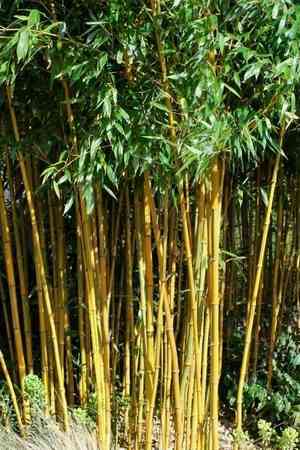
Golden bamboo, known scientifically as Phyllostachys aurea, is an appealing and rapidly growing bamboo type that flourishes best when exposed to abundant sunshine. Full sun means the plant should receive direct light for at least six hours daily. This consistent exposure encourages robust growth and strong development of its distinctive golden-yellow culms and rich green foliage. If you reside in areas with ample light, your Golden bamboo will thrive. Ensuring they get direct sun, particularly in the morning and early afternoon, can lead to their peak health.
Partial Shade Resilience
While Golden bamboo thrives in full sun, it can still survive in less illuminated conditions. This adaptable plant tolerates partial shade quite well. Partial shade suggests the plant still receives sunlight but for no more than 4-6 hours daily. For instance, a garden spot shaded in the afternoon but receiving morning sun can be ideal. Its tolerance to partial shade allows gardeners in less sunny regions to also enjoy this attractive bamboo variety. Under such conditions, growth might be slower, but it will maintain its vigor and beauty.
Seasonal Light Shifts
Varying seasons impact the amount of sunlight reaching your Golden bamboo. During summer, longer days offer sufficient sunlight suitable for full-sun plants. However, in winter, shorter days and a lower sun angle can reduce direct sunlight availability. To ensure your Golden bamboo continues flourishing year-round, monitor its placement and any potential obstructions like trees or buildings that might block light. By understanding these seasonal changes, you can make necessary adjustments to ensure your bamboo receives adequate light throughout the year.
Positioning Golden Bamboo for Optimal Growth
Best Garden Placements
Selecting the correct spot for your Golden bamboo is vital for its development. Ideal locations are those where the plant can get maximum sunlight, especially from the east or south-facing sections of your garden. Avoid planting the bamboo too close to large trees or structures that might cast significant shadows. Open areas with good air circulation and morning sunlight exposure can keep the bamboo vibrant and healthy. Furthermore, utilizing garden beds or containers on elevated platforms can sometimes help position the bamboo advantageously.
Using Structures for Light Management
Occasionally, garden structures can be helpful in regulating the amount of sunlight your Golden bamboo receives. Situations with excessive sun exposure can be managed by installing pergolas or shade sails that diffuse intense light. Conversely, if your garden is more shaded, reflective walls or light-redirecting barriers can help channel more light to the bamboo, increasing sun availability. Understanding how to use these structures effectively can maximize your plant’s light intake without the detrimental effects of too much sun.
Addressing Sunlight Deficiencies
Indicators of Insufficient Light
Insufficient sunlight exposure manifests in several ways in Golden bamboo. Each of these signs suggests your plant isn't receiving the light it requires. First, look for weak, elongated, or thin growth, as if the bamboo is striving to reach toward light. Yellowing foliage or stunted cane development can also be warning signals. Such symptoms necessitate a reevaluation of the plant’s light exposure and proactive steps to correct the deficiency.
Supplemental Lighting Solutions
When natural sunlight is inadequate, artificial lighting can be an effective remedy. Employing grow lights that emulate the sun's spectrum can supplement deficient light. LED grow lights with adjustable settings are a popular option, easily installed in your home or enclosed garden area. Ensure the lights are on for 10-12 hours daily, mimicking natural conditions to promote robust growth. These solutions can effectively support your bamboo during darker winter months or in shaded environments.
Managing Excessive Sunlight on Golden Bamboo
Signs of Sun Damage
Like any other plant, too much direct sunlight can potentially harm Golden bamboo. Sunburn symptoms include scorched leaves that are brown, dry, and brittle at the edges. The bamboo’s lively green might fade to a bleached yellow, indicating stress from overly intense light. Promptly addressing these symptoms can prevent further harm, ensuring your bamboo remains lush and healthy.
Providing Shade
To manage excessive sun exposure, creating shade solutions can be beneficial. Simple measures like using shade cloths to cover the bamboo during peak sunlight hours or positioning taller plants nearby can offer necessary relief. Strategically placing the bamboo in partially shaded areas or utilizing constructed garden walls can also moderate sun exposure. By balancing the light exposure, you can protect your Golden bamboo from sunburn while ensuring its healthy growth.



