How Much Sunlight Do Emblic Need?
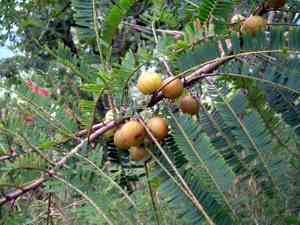
1
Emblic prospers most effectively with direct sunlight for more than six hours daily.
2
Modify your Emblic’s placement based on seasonal shifts to encourage peak development.
3
Observe indicators such as discoloration of leaves (yellowing or browning) to determine if your Emblic is receiving unsuitable light levels.
Optimal Light Conditions for Emblic Plants
Direct Sun Versus Filtered Light
When selecting the best light environment for your Emblic, the choice between direct sunlight and filtered light is vital. Emblic plants thrive when exposed to full sun, meaning they receive direct illumination for over six hours daily. This level of exposure is crucial for vigorous development, abundant fruit production, and general plant vitality. However, if full sun isn't feasible, partial shade can be adequate, provided the plant still gets ample light, ideally morning rays or dappled light throughout the day.
Daily Light Needs
To reach their maximum potential, Emblic plants require a minimum of six to eight hours of sunlight each day. These hours should be accumulated during the brightest parts of the day, typically between 10 a.m. and 4 p.m. Consistent light exposure supports photosynthesis, which is essential for nutrient creation and plant strength. Aim to avoid placing your Emblic in locations where it is shaded for extended periods, as this can impede its growth.
Achieving Ideal Sunlight for Emblic
Garden Placement
Finding the appropriate location in your garden for optimal light absorption is critical for your Emblic. Position your plant in an area that captures the most significant amount of sunlight throughout the day. Ideally, this should be a south-facing spot where the plant can soak in uninterrupted sunlight. If direct ground planting isn't an option and you're utilizing containers, consider relocating your potted Emblic to follow the sun's path at different times of the year.
Utilizing Artificial Lighting
When natural sunlight is insufficient, supplementary artificial light sources can be beneficial. Grow lights, such as LED panels designed to replicate the sun's spectrum, can be quite effective. Install these lights approximately 30-45 centimeters (12-18 inches) above the plant and keep them active for about 12-14 hours daily to compensate for any natural light deficiencies. It's important to ensure the grow light provides a full spectrum to simulate natural sunlight.
Indications of Over or Under-Exposure to Sun for Emblic
Symptoms of Sun Damage
Just like people, plants can suffer from sun exposure! If your Emblic is receiving too much direct sunlight, especially during the peak afternoon hours, you might observe its leaves turning brown or becoming brittle. This clearly signals that the plant is experiencing sunburn. In such instances, consider offering some shade, particularly during the hottest parts of the day, to safeguard your plant.
Signs of Insufficient Light
When your Emblic isn't getting enough sunlight, it will display specific indicators. Common signs include yellowing foliage, elongated or stretched stems as the plant reaches for light, and overall stunted growth. If you observe these symptoms, it's time to move your plant to a brighter location or consider augmenting its light exposure with artificial sources.
Adjusting Sunlight Exposure According to Seasonal Changes
Summer Light Adjustments
During the warmer months, sunlight intensity increases, which is advantageous for your Emblic. However, as high summer temperatures can also lead to excessive water loss and potential sun scorch, ensure your plant is well-hydrated and consider using a light shade cloth during intense midday hours to prevent heat stress.
Winter Light Adjustments
Winter brings shorter days and a lower sun angle. To assist your Emblic, try placing it in the brightest window if it's indoors, or move it to a south-facing area of your garden where it can still capture as much light as possible. Using grow lights can be especially helpful during this season to offset the natural light deficit.



