How Much Sunlight Do Taiwanese photinia Need?
1
Taiwanese photinia performs optimally when exposed to full sunlight, receiving a minimum of 6 hours of direct sun daily.
2
Its capacity to tolerate partial shade enables Taiwanese photinia to flourish in diverse environmental settings.
3
Adequate sunlight levels boost the effectiveness of photosynthesis, contributing to more robust development.
Understanding Sunlight Requirements for Taiwanese photinia
Full Sun vs. Partial Shade
When cultivating Taiwanese photinia, comprehending the balance between full sun and partial shade is essential. Ideally, this plant flourishes best in conditions of full sun, meaning it should absorb a minimum of 6 hours of direct solar exposure daily. However, it also endures partial shade, making it a flexible option for your garden. Positioning it in an area with filtered light or morning sun followed by afternoon shadow can be effective, though you might observe some growth variations. Full sun promotes the most vivid foliage and plentiful blossoms, whereas partial shade can lead to slower development and fewer flowers.
Optimal Hours of Sunlight
Taiwanese photinia should ideally receive over 6 hours of solar exposure daily to sustain its lush, evergreen leaves and vibrant red new growth. The most favorable period would be from early morning to mid-afternoon when solar intensity is lower. Providing such conditions ensures the plant stays healthy, wards off diseases, and maximizes its decorative appeal. Protecting the plant from the harshest midday sun, especially in warmer climates, can prevent leaf burn.
Impact of Sunlight on Growth and Health
Photosynthesis Efficiency
Sunlight is crucial for photosynthesis, the biological process where plants convert light energy into chemical energy. For Taiwanese photinia, ample sunlight translates to more effective photosynthesis. This efficiency results in robust development, more vigorous shoots, and an overall healthier plant. Full solar exposure boosts the plant's energy creation, guaranteeing it possesses the necessary resources to flourish. Conversely, insufficient sunlight can lead to stunted growth and less vibrant foliage.
Leaf Color and Health
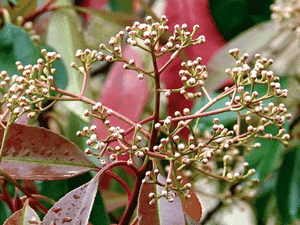
One of the most striking attributes of Taiwanese photinia is its red-tipped new growth. This brilliant coloration is significantly influenced by appropriate sunlight exposure. Plants receiving sufficient sunlight display more intense red shades and healthier, glossier leaves. Conversely, those cultivated in partial shade may exhibit duller colors and a greater susceptibility to illnesses and pest infestations. Maintaining the correct balance of sunlight not only enhances aesthetic appeal but also strengthens the plant against environmental stressors.
How to Ensure Proper Sunlight Exposure
Best Locations for Planting Taiwanese photinia
Selecting the appropriate site for your Taiwanese photinia is vital to guarantee it obtains the necessary sunlight. Ideally, planting should occur in an open space that receives abundant morning sun. Avoid spots too near structures or taller vegetation that could cast extended shadows over your plant. Consider the sun's shifting position throughout the year and how it might affect the plant's exposure. South or west-facing areas frequently provide the best illumination conditions.
Using Sunlight Meters and Tools
To ensure your Taiwanese photinia gets the ideal amount of sunlight, consider employing a sunlight meter. These devices can help measure the light levels in various parts of your garden. By taking regular readings, you can adjust your plant's placement as needed to optimize exposure. Some meters also offer readings on light intensity, assisting you in making informed decisions about potential shading or relocation. Even simple observation at different times of the day can provide insights into the best planting spots.
Dealing with Excess or Insufficient Sunlight
Signs of Excess Sunlight
Although Taiwanese photinia thrives in full sun, overexposure can lead to problems like leaf scorch, yellowing, or wilting. Indications of too much sunlight include leaves that appear bleached or have dry, brittle edges. Situations with intense direct sun exposure, especially during peak summer months, can worsen these conditions. To alleviate the effects, consider providing some afternoon shade using shade cloths or strategically positioning taller plants nearby to offer relief during the hottest periods of the day.
Signs of Insufficient Sunlight
Inadequate sunlight can result in several issues, including spindly growth, diminished leaf color vibrancy, and fewer blossoms. If your Taiwanese photinia is not receiving enough sunlight, you might observe the plant's growth becoming sparse, and new shoots may be weak and elongated. The foliage may also darken in color and lack the vivid red tips. Rectify this by moving the plant to a sunnier location or pruning back overhanging branches that might be creating shade.
Adjusting Planting and Care Practices
If your Taiwanese photinia exhibits signs of distress due to improper sunlight exposure, modifications in planting and care methods can help. Begin by re-evaluating the planting site and ensuring it aligns with the plant's sunlight requirements. Trim adjacent plants or structures casting excessive shade, and consider utilizing reflective surfaces to direct more light towards the plant. Regularly monitor your plant's reaction to light changes and adjust watering and feeding routines to support its health.



